


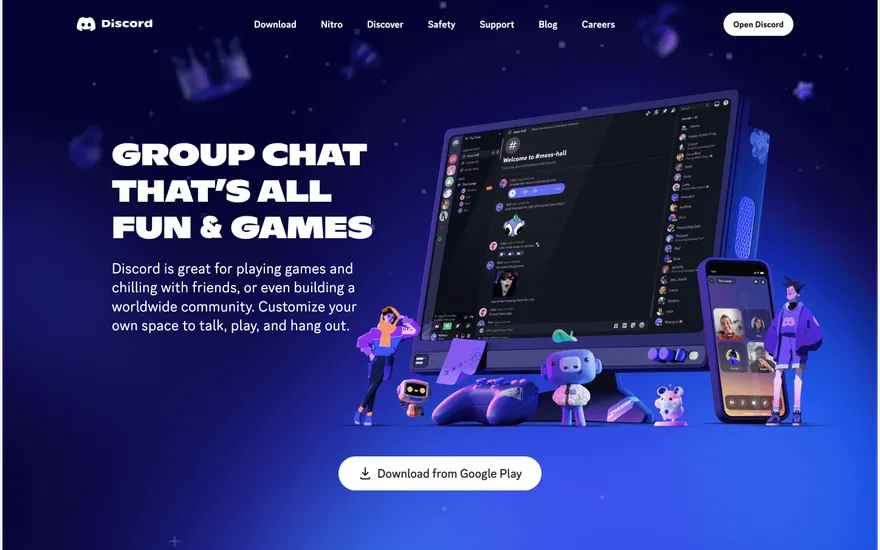
Discord Community chat with bold, playful branding. Visit ↗
BYOB New inbox in every project
Odoo and BYOB are often shortlisted together because both include a website builder, but they solve different problems. Odoo is a modular ERP that runs the whole back office; BYOB generates a standalone application from a prompt. This comparison sets out where each one makes sense.
Runs on the stack you trust
Prompt to product
Compare the one-line brief with what BYOB ships. Real layout, data, and deploy status, editable from the same workspace.
Team Tasks
Shared task tracking
Drag the handle. Or focus it and use the arrow keys.
Get inspired
Real sites that do it well. Build something like this with BYOB.
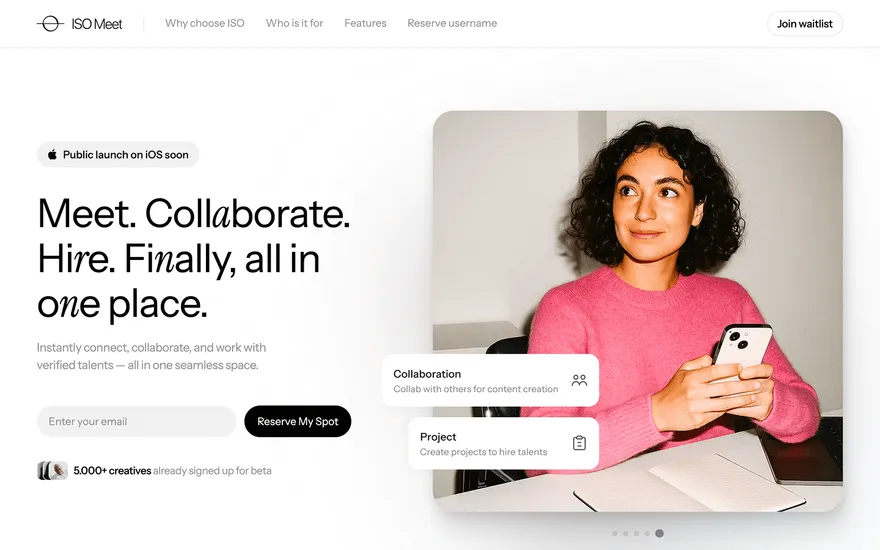
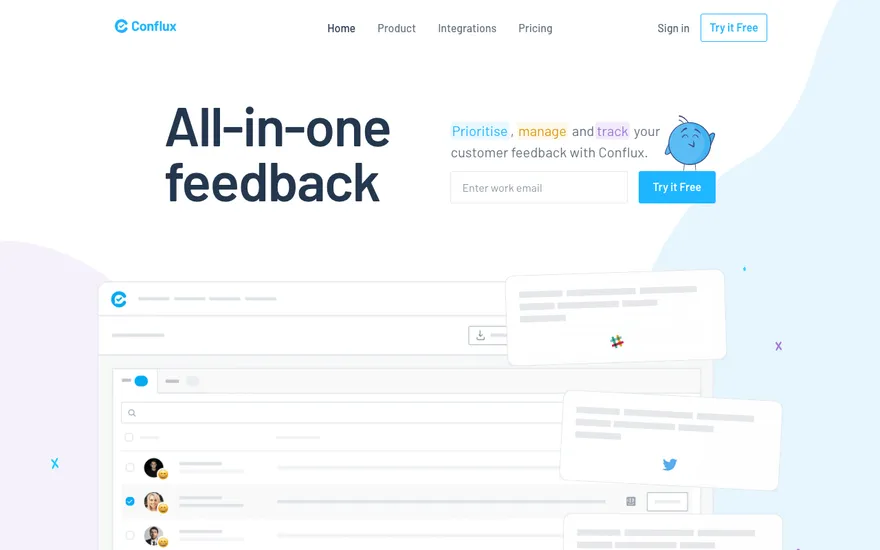
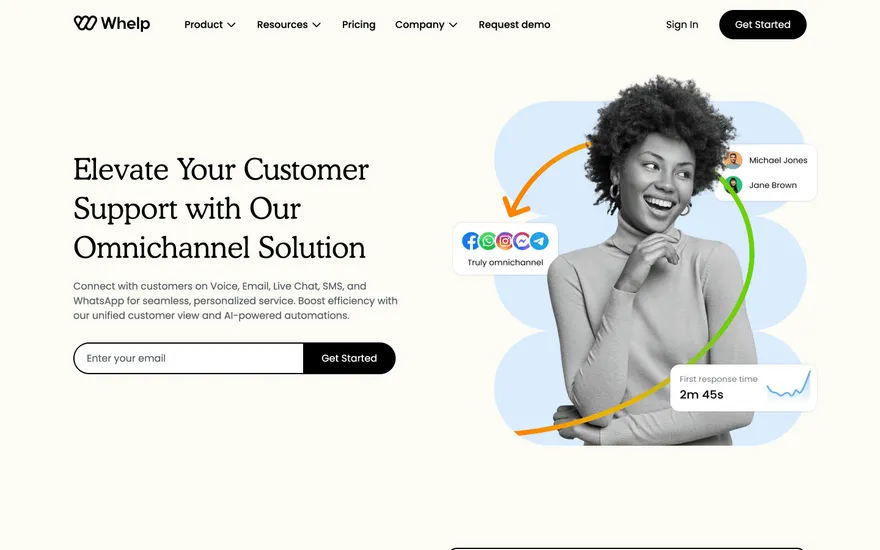
Fresh from the community
See what builders ship, or start from an example.
Live workspace
The workspace is built for repeated product work, not disposable demos. Every generated file stays inspectable, every change is visible, and every follow-up can target the exact part of the app you care about.
01 · EDITOR
Every file BYOB writes stays visible and editable. Follow-ups target the exact lines you care about instead of regenerating from scratch.
<script lang='ts'>type Task = { id: string; title: string; done: boolean
}let tasks = $state<Task[]>([])function toggleTask(id: string) {task.done = !task.done // just added by BYOB}</script>02 · AI COMMAND
Describe the outcome once. BYOB turns it into a build plan, implements it step by step, and keeps every change visible while you iterate.
Your prompt
“Build a todo app for beginners”
Build plan
80%03 · LIVE PREVIEW
The preview updates as BYOB works, with deploy status attached, so the path from edit to production stays inspectable.
Team Tasks
Shared task tracking
Prompt to app
Start conversationally, approve the shape, let Tool Mode implement, then refine and deploy from the same workspace.
Agent and backend
Connect Codex, Claude Code, or Antigravity to your project, then store data and ship to production without leaving the workspace.
npx -y byob-cli codex installApprove only the projects your agent can touch, then read context, edit files, inspect diffs, test previews, and roll back from your terminal.
Rated 4.9/5 by developers and founders using BYOB to move from idea to shipped product.
Built for shipping
BYOB handles product planning, implementation, preview, testing, database work, and deployment from one focused interface, with coding-agent access and production analytics when you want to keep working from your own terminal.
This part is hands-on. The cards drift until you touch them. Drag to rearrange, or press and hold one to feel it push back.
Give Codex, Claude Code, or Antigravity scoped access through BYOB CLI or Agent MCP. Your agent reads context, edits code, tests previews, and deploys from your terminal.
Every change lands as a commit. Inspect history, compare diffs, and see exactly what changed since the last deploy.
Every project ships with an inbox. Collect messages, leads, and feedback from your app without wiring a third party.
Send magic links, OTP codes, and transactional mail from your own sender address. Resend-backed, no SMTP setup.
Offer Continue with Google plus passwordless email codes. Sessions and callbacks are handled.
Point your domain at BYOB with guided DNS checks. Certificates are automatic.
Click any element in the live preview and describe the change. Copy, spacing, color, behavior.
Run full-site or feature checks and get implementation-level feedback you can apply in one step.
Step between saved states or redeploy a known commit when an experiment goes sideways.
Builds publish to production hosting in one step. Deploys can auto-save the project state first.
Worker traffic, errors, CPU timing, subrequests, and custom-domain status from the workspace.
Connect Supabase and BYOB reads schemas, drafts migrations, and generates types that match your app.
Invite people in and keep sessions coordinated so work never overwrites work.
Simple pricing
Pay as you go when you are exploring. Move to Pro or Max when BYOB becomes part of your regular build workflow.
$1 = 100 credits
2,000+ credits/mo
8,000+ credits/mo
Live estimator
Try the cost calculator. Drag the pages slider, toggle the options, and watch the agency quote vs BYOB update instantly.
Open full cost calculator →$5,750 upfront
~$1,150 / year
~$45 in credits
BYOB builds the same site from one prompt and hosts it on the edge. Planning estimates, not quotes.
See BYOB plansNeed white-label and SSO? Talk to us →
Odoo is an open-source ERP suite whose website builder is one module among many. BYOB is a focused generator that turns a prompt into an editable application. Choose Odoo for an integrated ERP, and BYOB when you want a custom website or web app with code you own.
Odoo describes itself as a suite of business applications, and the website module sits inside that family alongside CRM, sales, accounting, inventory, and manufacturing. The appeal is integration: a web order can flow into invoicing, and a form can create a lead in the same system. BYOB has no ERP ambitions. It takes a description and produces a website or web application, and it connects to services such as data storage or payment provider. If you need one system of record across departments, that is Odoo's territory.
Odoo's website builder is a capable drag-and-drop tool with themes, blog and e-commerce modules, and multi-language support, all tied to Odoo's data. For a business already running Odoo, publishing a site that shares the same product catalogue and customer records is genuinely convenient. It is a sensible choice when the website is an accessory to back-office operations rather than a product in its own right. BYOB does not try to match that integration; it competes on a different axis, namely generated code and app scope.
The way you extend each system is the real divide. Customising Odoo leans on its module system, XML views, and Odoo's own Python and JavaScript frameworks, which usually means working with an Odoo partner or developer. BYOB generates standard and Tailwind code: you can edit it in the visual editor, in chat, or by hand, and see the diff each time. If custom, fast-moving product logic is the point, a conventional codebase is easier to reason about than an ERP framework.
Odoo offers hosted plans and a platform-as-a-service tier, and its open-source edition can be self-hosted on your own servers, which appeals to organisations with data-residency rules. BYOB also avoids lock-in from the other direction: projects are applications you can export as a ZIP or push to version control and publish anywhere. In both cases the question is who controls the runtime. Odoo's control sits with the ERP; BYOB hands the code back to you.
Odoo is priced per user and per module, which makes sense when many staff use the system but can feel heavy for a small team that only wants a website. BYOB does not charge for seats on an ERP, because there is no ERP. For a startup or small business that has not adopted accounting, inventory, or manufacturing software, buying a full suite to get a website inverts the reason for the purchase. Match the tool to the problem rather than the other way around.
Pick Odoo when the website should share data with CRM, invoicing, stock, or HR and you are prepared to run an ERP. Pick BYOB when you want a custom site or web app with control over the code, and you are happy to connect data storage and payment provider as needed. The two can even coexist: an Odoo back office with a separately built customer-facing product is a common and workable split.
FAQ
It is a solid drag-and-drop builder when you already use Odoo's ERP, because the site shares the same data. As a standalone website tool it carries more suite overhead than many businesses need.
BYOB generates an app you can extend to call Odoo's connections, but it does not ship a built-in Odoo connector.
No. Odoo sites are configuration and modules inside Odoo. BYOB generates source files you can download.
If you only need a website, BYOB avoids per-user, per-module ERP pricing. If you need the ERP features, Odoo's bundle can be good value.
Deep customisation typically does. BYOB edits are made in chat, the visual editor, or the code itself.
Start with one clear prompt. BYOB will help turn it into a product you can inspect, edit, test, and ship.
 npm
npm