


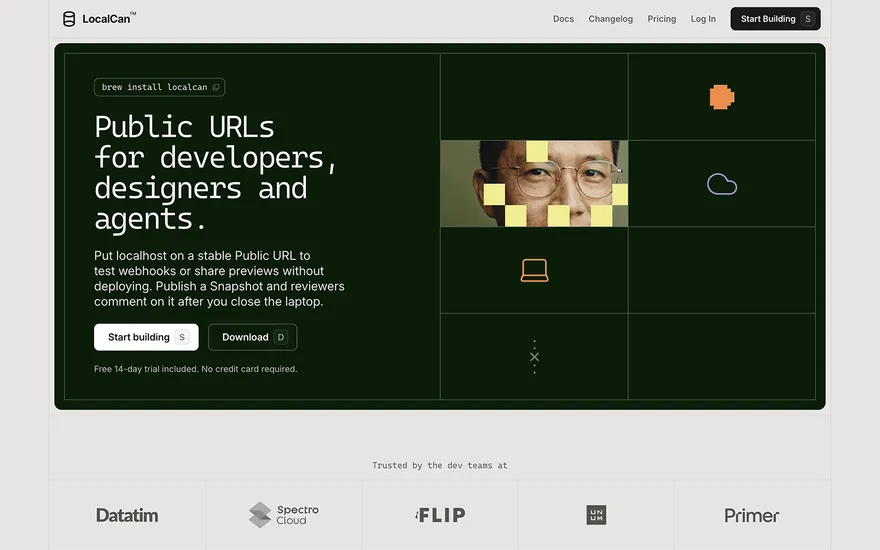
LocalCan LocalCan is a desktop application for macOS that simplifies local web development by allowing developers to publish their local servers to local.local domains with free SSL certificates and share their dev environments Visit ↗
BYOB New inbox in every project
Create a developer portfolio with project showcases, a live tech stack, GitHub integrations, and a contact form that lands contracts.
Runs on the stack you trust
Prompt to product
Compare the one-line brief with what BYOB ships. Real layout, data, and deploy status, editable from the same workspace.
Team Tasks
Shared task tracking
Drag the handle. Or focus it and use the arrow keys.
Get inspired
Real sites that do it well. Build something like this with BYOB.
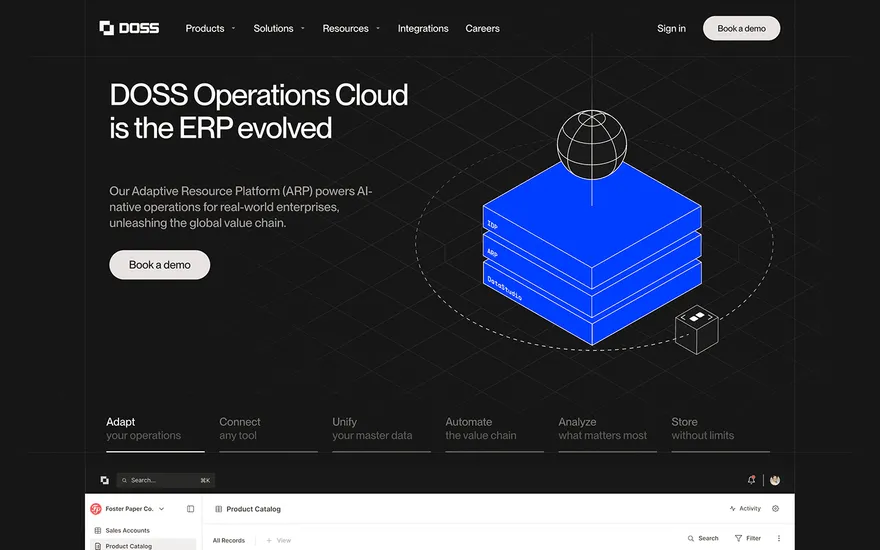
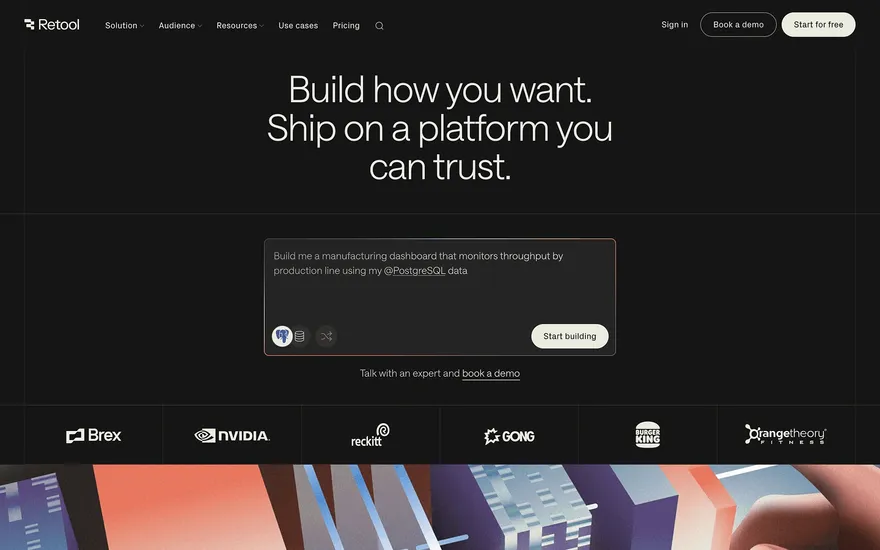
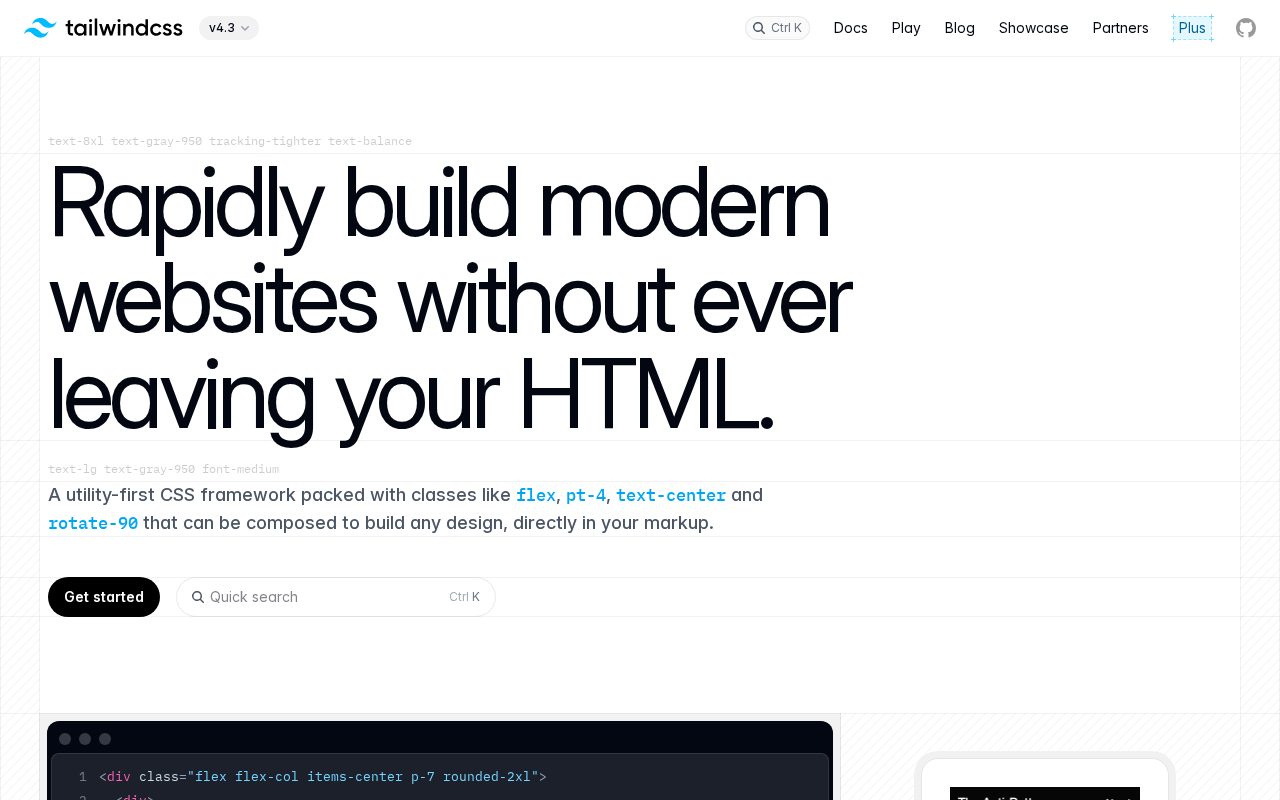
Fresh from the community
See what builders ship, or start from an example.
Live workspace
The workspace is built for repeated product work, not disposable demos. Every generated file stays inspectable, every change is visible, and every follow-up can target the exact part of the app you care about.
01 · EDITOR
Every file BYOB writes stays visible and editable. Follow-ups target the exact lines you care about instead of regenerating from scratch.
<script lang='ts'>type Task = { id: string; title: string; done: boolean
}let tasks = $state<Task[]>([])function toggleTask(id: string) {task.done = !task.done // just added by BYOB}</script>02 · AI COMMAND
Describe the outcome once. BYOB turns it into a build plan, implements it step by step, and keeps every change visible while you iterate.
Your prompt
“Build a todo app for beginners”
Build plan
80%03 · LIVE PREVIEW
The preview updates as BYOB works, with deploy status attached, so the path from edit to production stays inspectable.
Team Tasks
Shared task tracking
Prompt to app
Start conversationally, approve the shape, let Tool Mode implement, then refine and deploy from the same workspace.
Agent and backend
Connect Codex, Claude Code, or Antigravity to your project, then store data and ship to production without leaving the workspace.
npx -y byob-cli codex installApprove only the projects your agent can touch, then read context, edit files, inspect diffs, test previews, and roll back from your terminal.
Rated 4.9/5 by developers and founders using BYOB to move from idea to shipped product.
Built for shipping
BYOB handles product planning, implementation, preview, testing, database work, and deployment from one focused interface, with coding-agent access and production analytics when you want to keep working from your own terminal.
This part is hands-on. The cards drift until you touch them. Drag to rearrange, or press and hold one to feel it push back.
Give Codex, Claude Code, or Antigravity scoped access through BYOB CLI or Agent MCP. Your agent reads context, edits code, tests previews, and deploys from your terminal.
Every change lands as a commit. Inspect history, compare diffs, and see exactly what changed since the last deploy.
Every project ships with an inbox. Collect messages, leads, and feedback from your app without wiring a third party.
Send magic links, OTP codes, and transactional mail from your own sender address. Resend-backed, no SMTP setup.
Offer Continue with Google plus passwordless email codes. Sessions and callbacks are handled.
Point your domain at BYOB with guided DNS checks. Certificates are automatic.
Click any element in the live preview and describe the change. Copy, spacing, color, behavior.
Run full-site or feature checks and get implementation-level feedback you can apply in one step.
Step between saved states or redeploy a known commit when an experiment goes sideways.
Builds publish to production hosting in one step. Deploys can auto-save the project state first.
Worker traffic, errors, CPU timing, subrequests, and custom-domain status from the workspace.
Connect Supabase and BYOB reads schemas, drafts migrations, and generates types that match your app.
Invite people in and keep sessions coordinated so work never overwrites work.
Simple pricing
Pay as you go when you are exploring. Move to Pro or Max when BYOB becomes part of your regular build workflow.
$1 = 100 credits
2,000+ credits/mo
8,000+ credits/mo
Live estimator
Try the cost calculator. Drag the pages slider, toggle the options, and watch the agency quote vs BYOB update instantly.
Open full cost calculator →$5,750 upfront
~$1,150 / year
~$45 in credits
BYOB builds the same site from one prompt and hosts it on the edge. Planning estimates, not quotes.
See BYOB plansNeed white-label and SSO? Talk to us →
A website builder for developers generates a personal site as real, inspectable code rather than a locked template. BYOB outputs SvelteKit components for project case studies, skills, writing and contact, so developers can deploy a portfolio quickly and keep editing it with tools they already use.
A portfolio is also a work sample, and developers are judged on the craft of what they ship. BYOB generates clean SvelteKit and Vite code with Tailwind CSS, organised into components and routes you would recognise. Nothing is stored in a proprietary format, so you can open the project in your own editor, run it locally through the CLI, or export the repository as a ZIP. If you disagree with a generated decision, change it directly rather than fighting a visual canvas.
Recruiters and clients want to see how you think, not just what you built. BYOB drafts project pages with space for the problem, your role, the technical approach and the outcome, plus screenshots, a repository link and a live demo. You can present architecture decisions, trade-offs and performance work in a consistent layout. New projects reuse the same components, which keeps the site coherent and quick to extend as your work changes.
A skills page should inform rather than keyword-stuff. The generated site groups languages, frameworks, infrastructure and tools, and can pair each with evidence from your projects instead of a bare list of logos. Add a timeline for roles, education or notable milestones. Because it is all editable code, you can replace the default structure with a table, a tag system or a filters component if that better reflects how you want to present your background.
Contributions and posts are proof you communicate as well as code. BYOB can generate sections for open-source projects with stars, language and links, alongside a blog layout for technical articles. You connect your repository hosting and paste content, or pull it in through the hosting provider's API if the project grows. A small, well-presented body of writing often differentiates a candidate more than another list of frameworks, so make it easy to add.
Make it trivial for the right person to reach you. The generated contact page includes a form, email, social links and an availability note such as open to contract or not looking. You can add a short FAQ about engagement, time zones or preferred stack. Submissions land in your project inbox, so there is no third-party form service to wire up. For freelancers, a rates or booking section can turn the portfolio into a lead source rather than a static resume.
Some personal sites outgrow the brochure stage. If you want a private dashboard, a writing CMS, a component playground or a gated client area, BYOB can extend the same project with a database and authentication. You are still working in SvelteKit, so the app and the site share a codebase and deployment. Start with a portfolio and add real functionality only when there is a reason, rather than adopting a heavy platform up front.
FAQ
Yes. It produces a standard SvelteKit and Vite project with Tailwind CSS. Open it in your editor, edit files directly, or export the repository as a ZIP.
Yes. The BYOB CLI pulls the workspace to your machine so you can run it, use your own extensions, and sync changes back.
Yes. Through the CLI and Agent MCP support you can point tools such as Claude Code or Codex at the project and make changes in your usual workflow.
The generated output is SvelteKit. Because it is standard code with no vendor lock-in, you can host and extend it wherever you like.
Yes. Add routes and components by chatting or editing the code, and connect a database when posts or data need to persist.
Start with one clear prompt. BYOB will help turn it into a product you can inspect, edit, test, and ship.
 npm
npm