


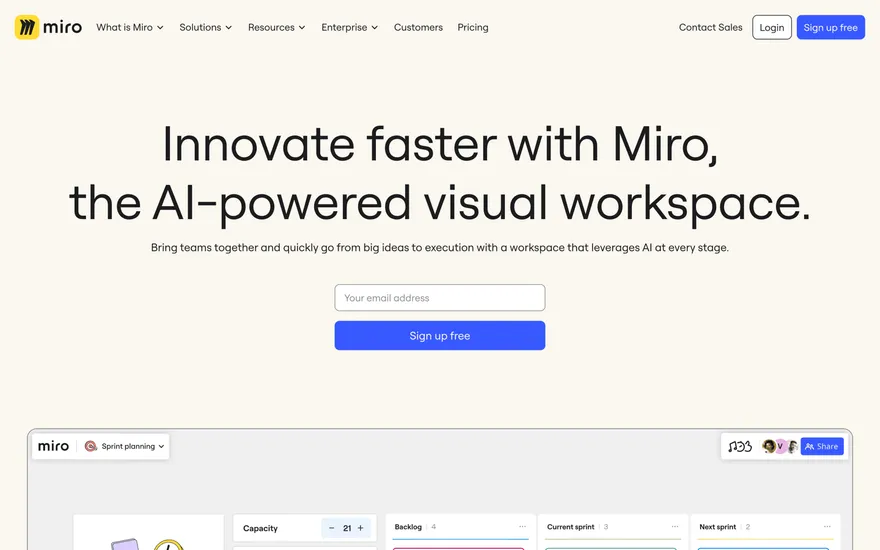
Miro Collaborative whiteboard with an inviting hero. Visit ↗
BYOB New inbox in every project
A web app estimate is a forecast of effort, and forecasts improve when the work is broken into named systems. This page explains what drives the cost of building a browser-based application, which charges recur, and how a generated foundation affects the total.
Runs on the stack you trust
Prompt to product
Compare the one-line brief with what BYOB ships. Real layout, data, and deploy status, editable from the same workspace.
Team Tasks
Shared task tracking
Drag the handle. Or focus it and use the arrow keys.
Get inspired
Real sites that do it well. Build something like this with BYOB.

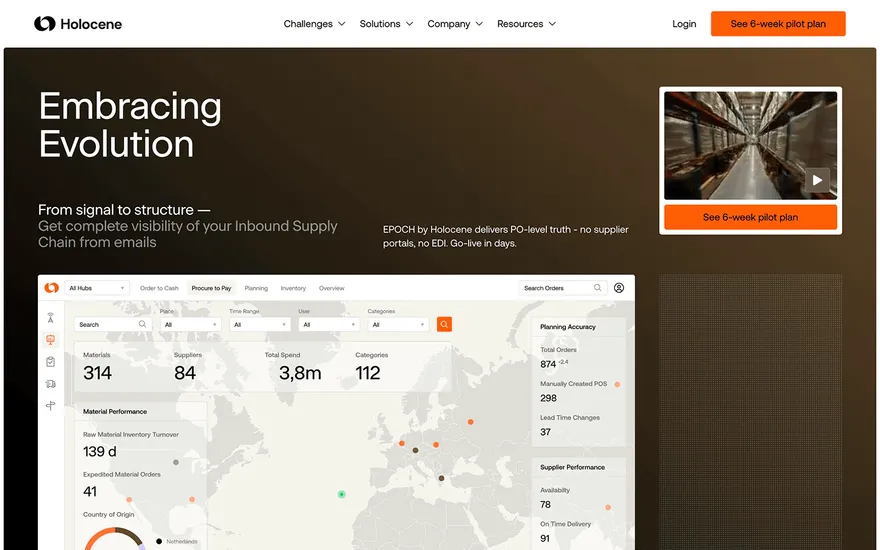
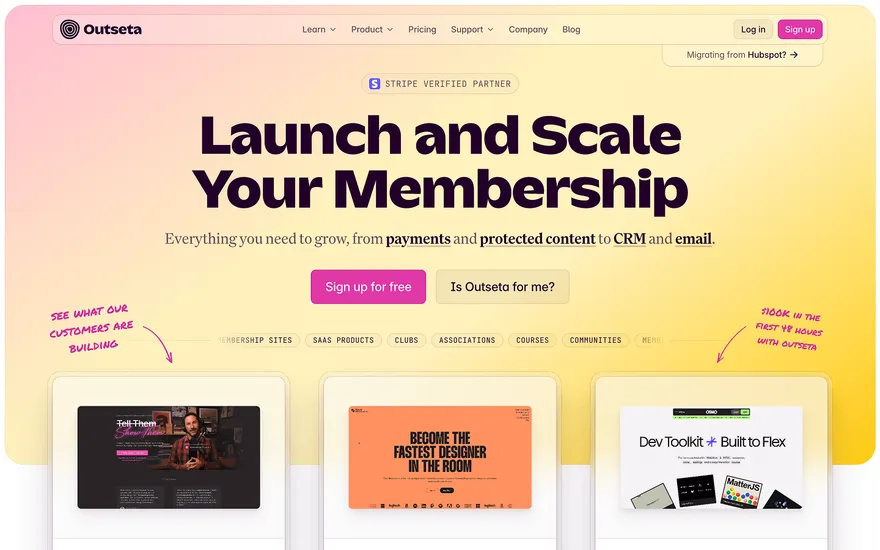
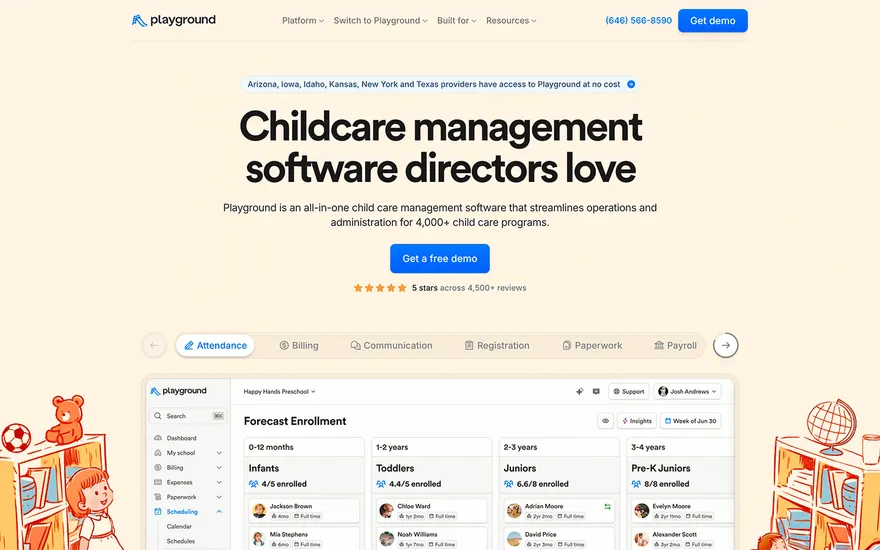
Fresh from the community
See what builders ship, or start from an example.
Live workspace
The workspace is built for repeated product work, not disposable demos. Every generated file stays inspectable, every change is visible, and every follow-up can target the exact part of the app you care about.
01 · EDITOR
Every file BYOB writes stays visible and editable. Follow-ups target the exact lines you care about instead of regenerating from scratch.
<script lang='ts'>type Task = { id: string; title: string; done: boolean
}let tasks = $state<Task[]>([])function toggleTask(id: string) {task.done = !task.done // just added by BYOB}</script>02 · AI COMMAND
Describe the outcome once. BYOB turns it into a build plan, implements it step by step, and keeps every change visible while you iterate.
Your prompt
“Build a todo app for beginners”
Build plan
80%03 · LIVE PREVIEW
The preview updates as BYOB works, with deploy status attached, so the path from edit to production stays inspectable.
Team Tasks
Shared task tracking
Prompt to app
Start conversationally, approve the shape, let Tool Mode implement, then refine and deploy from the same workspace.
Agent and backend
Connect Codex, Claude Code, or Antigravity to your project, then store data and ship to production without leaving the workspace.
npx -y byob-cli codex installApprove only the projects your agent can touch, then read context, edit files, inspect diffs, test previews, and roll back from your terminal.
Rated 4.9/5 by developers and founders using BYOB to move from idea to shipped product.
Built for shipping
BYOB handles product planning, implementation, preview, testing, database work, and deployment from one focused interface, with coding-agent access and production analytics when you want to keep working from your own terminal.
This part is hands-on. The cards drift until you touch them. Drag to rearrange, or press and hold one to feel it push back.
Give Codex, Claude Code, or Antigravity scoped access through BYOB CLI or Agent MCP. Your agent reads context, edits code, tests previews, and deploys from your terminal.
Every change lands as a commit. Inspect history, compare diffs, and see exactly what changed since the last deploy.
Every project ships with an inbox. Collect messages, leads, and feedback from your app without wiring a third party.
Send magic links, OTP codes, and transactional mail from your own sender address. Resend-backed, no SMTP setup.
Offer Continue with Google plus passwordless email codes. Sessions and callbacks are handled.
Point your domain at BYOB with guided DNS checks. Certificates are automatic.
Click any element in the live preview and describe the change. Copy, spacing, color, behavior.
Run full-site or feature checks and get implementation-level feedback you can apply in one step.
Step between saved states or redeploy a known commit when an experiment goes sideways.
Builds publish to production hosting in one step. Deploys can auto-save the project state first.
Worker traffic, errors, CPU timing, subrequests, and custom-domain status from the workspace.
Connect Supabase and BYOB reads schemas, drafts migrations, and generates types that match your app.
Invite people in and keep sessions coordinated so work never overwrites work.
Simple pricing
Pay as you go when you are exploring. Move to Pro or Max when BYOB becomes part of your regular build workflow.
$1 = 100 credits
2,000+ credits/mo
8,000+ credits/mo
Live estimator
Try the cost calculator. Drag the pages slider, toggle the options, and watch the agency quote vs BYOB update instantly.
Open full cost calculator →$5,750 upfront
~$1,150 / year
~$45 in credits
BYOB builds the same site from one prompt and hosts it on the edge. Planning estimates, not quotes.
See BYOB plansNeed white-label and SSO? Talk to us →
Web app development cost depends on the number of user workflows, backend and data complexity, third-party integrations and the level of custom design. Hosting and connections add recurring fees. BYOB generates a working foundation, so early labour drops and the remaining budget goes to logic unique to the product.
When an agency or freelancer quotes a web app, they are pricing uncertainty as much as code. The estimate bundles design decisions not yet made, integrations not yet chosen and user behavior not yet observed. That is why a detailed brief narrows the range so dramatically. Instead of asking 'what does a web app cost', describe the users, the records you store, the actions they take and the services you connect. The estimate becomes a response to your actual product rather than to a category.
Costs concentrate in specific layers. The frontend is the visible interface: screens, forms, navigation and states. The backend holds rules, validation and security. Between them sit the parts people forget to price: login, authorisation, email, file uploads, scheduled jobs and the error handling that keeps a failure from reaching users. A project with a modest interface but heavy backend logic can cost far more than one with many screens and simple storage, so weigh both sides before comparing bids.
Development is paid for once; infrastructure is paid for as long as the app runs. Serverless platforms, managed data stores, object storage and email services each have a free tier that ends at a threshold, after which usage is metered. For a small app these can be trivial, but a viral feature or a data-heavy workflow changes the equation quickly. Ask what each dependency costs at ten times your expected load, and prefer services with clear, predictable pricing over ones that surprise you.
Most budgets are lost after the estimate, not before it. A feature arrives 'while we are in here', a stakeholder requests a redesign, and the original number quietly becomes fiction. The fix is procedural: define what version one contains, park new requests in a version two list, and price changes before accepting them. Iteration is healthy when it is planned and expensive when it is invisible. Tracking decisions against the original scope protects both the budget and the relationship with whoever is building.
The fastest savings do not remove value. Generate the predictable parts, such as login, CRUD screens and admin tables, then reserve human effort for the logic that sets the product apart. Defer integrations until users ask for them, choose a responsive web app over native builds, and launch the core workflow before polishing secondary screens. BYOB fits this approach by producing a working foundation fastly, so money is spent on distinctive features instead of boilerplate.
A number is defensible when you can explain it. List the features, mark their complexity, note every external service, and state the assumptions behind the estimate. Then show a working prototype that demonstrates the core flow. BYOB can generate that prototype early, which changes the conversation from speculative quoting to reviewing something real. That evidence lets you negotiate scope, spot overruns sooner and give stakeholders a budget grounded in a product they can actually open in a browser.
FAQ
It ranges from a low monthly subscription for a generated app to five figures for a bespoke build. The number tracks workflows, backend rules and integrations more than page count.
It varies, but backend rules, login and integrations frequently exceed interface work. A simple-looking app can hide substantial server-side complexity.
Usually not. Development is a one-time charge, while publishing, data stores and third-party connections recur monthly and scale with usage.
Yes. Generation covers routine frontend and CRUD work, so the paid effort shifts to product definition and genuinely custom features.
Write the scope down, list external services, and generate a prototype so the work can be judged against something real rather than described.
Start with one clear prompt. BYOB will help turn it into a product you can inspect, edit, test, and ship.
 npm
npm