


Ruul Ruul is a modern infrastructure that enables companies to work in compliance with all the necessary laws and regulations through custom work solutions and all-in-one services for remote work. Visit ↗
BYOB New inbox in every project
Selling online needs more than a pretty homepage. This page covers the storefront structure an ecommerce site needs and how BYOB generates it while leaving you free to connect the payment and catalog tools you already trust.
Runs on the stack you trust
Prompt to product
Compare the one-line brief with what BYOB ships. Real layout, data, and deploy status, editable from the same workspace.
Team Tasks
Shared task tracking
Drag the handle. Or focus it and use the arrow keys.
Get inspired
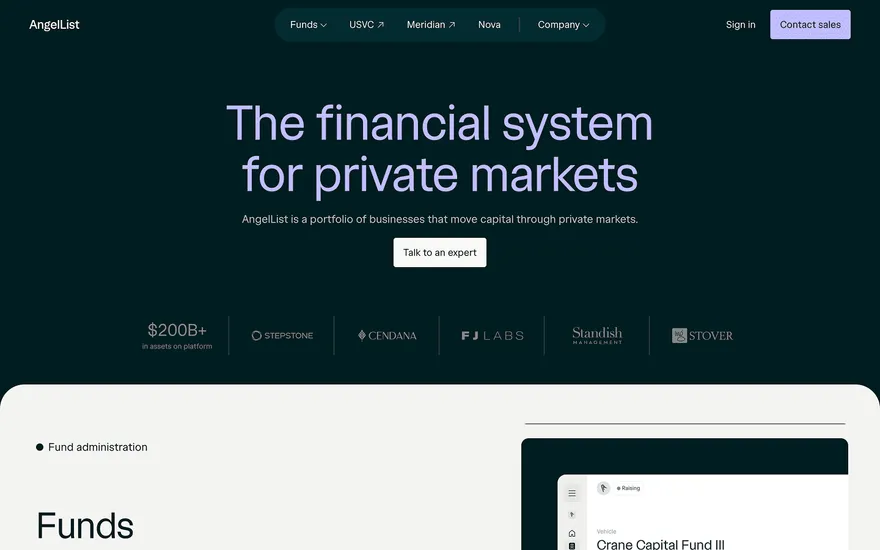
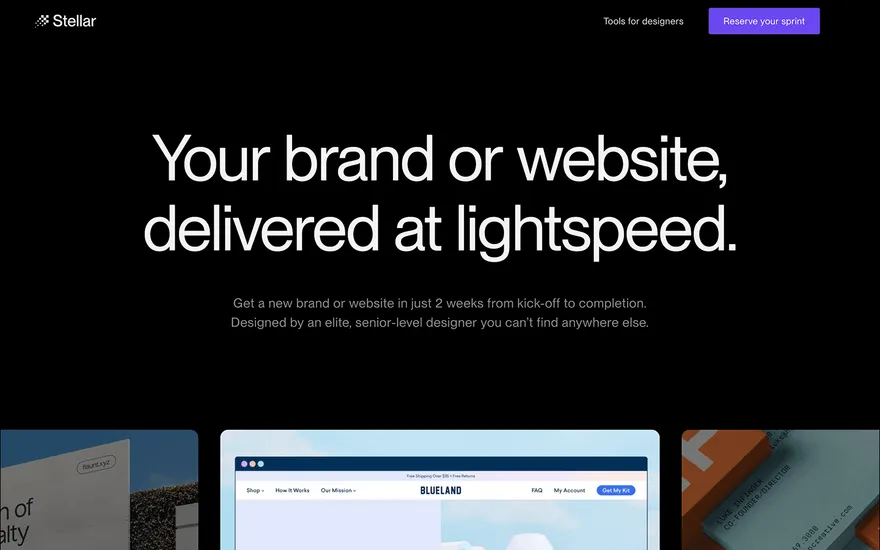
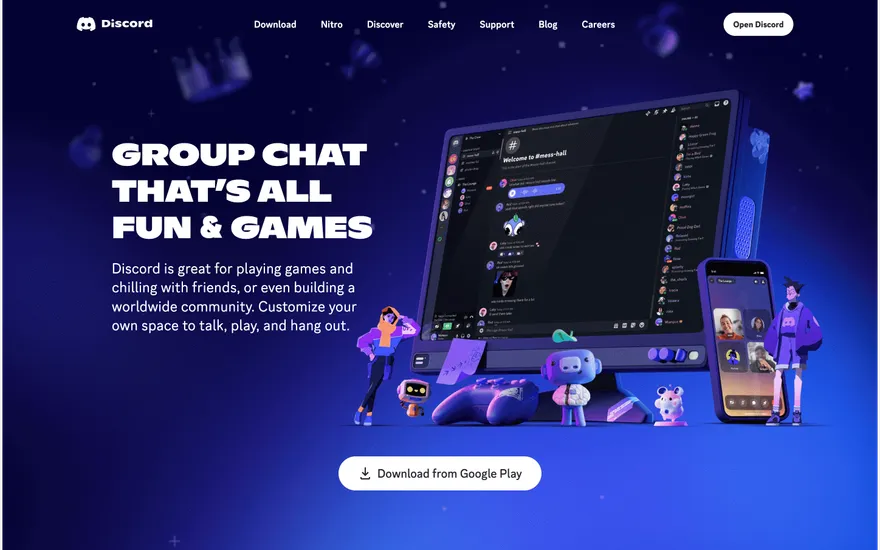
Real sites that do it well. Build something like this with BYOB.
Fresh from the community
See what builders ship, or start from an example.
Live workspace
The workspace is built for repeated product work, not disposable demos. Every generated file stays inspectable, every change is visible, and every follow-up can target the exact part of the app you care about.
01 · EDITOR
Every file BYOB writes stays visible and editable. Follow-ups target the exact lines you care about instead of regenerating from scratch.
<script lang='ts'>type Task = { id: string; title: string; done: boolean
}let tasks = $state<Task[]>([])function toggleTask(id: string) {task.done = !task.done // just added by BYOB}</script>02 · AI COMMAND
Describe the outcome once. BYOB turns it into a build plan, implements it step by step, and keeps every change visible while you iterate.
Your prompt
“Build a todo app for beginners”
Build plan
80%03 · LIVE PREVIEW
The preview updates as BYOB works, with deploy status attached, so the path from edit to production stays inspectable.
Team Tasks
Shared task tracking
Prompt to app
Start conversationally, approve the shape, let Tool Mode implement, then refine and deploy from the same workspace.
Agent and backend
Connect Codex, Claude Code, or Antigravity to your project, then store data and ship to production without leaving the workspace.
npx -y byob-cli codex installApprove only the projects your agent can touch, then read context, edit files, inspect diffs, test previews, and roll back from your terminal.
Rated 4.9/5 by developers and founders using BYOB to move from idea to shipped product.
Built for shipping
BYOB handles product planning, implementation, preview, testing, database work, and deployment from one focused interface, with coding-agent access and production analytics when you want to keep working from your own terminal.
This part is hands-on. The cards drift until you touch them. Drag to rearrange, or press and hold one to feel it push back.
Give Codex, Claude Code, or Antigravity scoped access through BYOB CLI or Agent MCP. Your agent reads context, edits code, tests previews, and deploys from your terminal.
Every change lands as a commit. Inspect history, compare diffs, and see exactly what changed since the last deploy.
Every project ships with an inbox. Collect messages, leads, and feedback from your app without wiring a third party.
Send magic links, OTP codes, and transactional mail from your own sender address. Resend-backed, no SMTP setup.
Offer Continue with Google plus passwordless email codes. Sessions and callbacks are handled.
Point your domain at BYOB with guided DNS checks. Certificates are automatic.
Click any element in the live preview and describe the change. Copy, spacing, color, behavior.
Run full-site or feature checks and get implementation-level feedback you can apply in one step.
Step between saved states or redeploy a known commit when an experiment goes sideways.
Builds publish to production hosting in one step. Deploys can auto-save the project state first.
Worker traffic, errors, CPU timing, subrequests, and custom-domain status from the workspace.
Connect Supabase and BYOB reads schemas, drafts migrations, and generates types that match your app.
Invite people in and keep sessions coordinated so work never overwrites work.
Simple pricing
Pay as you go when you are exploring. Move to Pro or Max when BYOB becomes part of your regular build workflow.
$1 = 100 credits
2,000+ credits/mo
8,000+ credits/mo
Live estimator
Try the cost calculator. Drag the pages slider, toggle the options, and watch the agency quote vs BYOB update instantly.
Open full cost calculator →$5,750 upfront
~$1,150 / year
~$45 in credits
BYOB builds the same site from one prompt and hosts it on the edge. Planning estimates, not quotes.
See BYOB plansNeed white-label and SSO? Talk to us →
An ecommerce website builder creates the storefront side of selling online: product and category pages, cart and checkout flows, and the content that answers buyer questions. BYOB generates that frontend as editable code and lets you connect whichever payment provider and product data your store already uses.
A working storefront is a set of connected templates, not one lonely product page. BYOB generates a home page with featured items, category and collection listings, individual product detail pages, a cart, and a checkout route. It also produces the unglamorous pages shoppers expect: shipping policy, returns, contact and terms. Because each page is generated from your product description, the layouts already carry your categories and naming, so you spend time refining instead of building placeholders from scratch.
Shoppers rarely land on the product they want first. Category pages, filters, search and related-item blocks do the work of guiding them. BYOB can generate those discovery surfaces and wire them to your catalog, so a filter for size or price reflects real products. You can feature a seasonal collection, rearrange a grid, or change what appears on the homepage by describing the change in chat or editing the components directly, which keeps merchandising decisions in your hands rather than a developer's backlog.
BYOB does not force a single payment provider. Checkout can be connected to built-in payments, so you keep the processor that matches your region, currency and tax needs. The generated cart and order summary pages are normal routes, which means you can adapt totals, shipping options and confirmation screens to how your business actually charges. Keeping payment logic in a provider you control also means payouts, refunds and disputes stay with a processor you already understand.
Conversion comes from answering objections, not from louder buttons. The builder gives you room for reviews, sizing or care guides, shipping timelines, ingredient or material detail and a clear returns summary. These are ordinary content sections you can place near the product and edit freely. A store that explains delivery times and return rules reduces support messages and abandoned carts. Because the copy is generated as editable markup, you can rewrite product descriptions in a familiar voice rather than fighting a rigid template field.
Once orders start arriving, the website alone is not enough. You need somewhere to see them. BYOB can extend the same project with data storage and an admin area, storing orders, stock levels and customer records in built-in data storage or an existing data source project. That admin screen can list recent orders, flag low stock or update a product. Building it in the same codebase as the storefront avoids exporting CSVs between a website tool and a separate inventory app.
After generation you keep the visual editor. Swap a hero image, reorder a collection, change a price display or add a new category without touching code. When the store is ready, publish it to the edge in one click and point your domain at it. If you would rather run the infrastructure yourself, download the source and self-host. The same editing workflow also handles the small changes that keep the store current.
FAQ
Yes. BYOB generates the storefront and checkout pages, and you connect a payment provider such as built-in payments to take payments.
Not as a fixed feature. You can add a product and order data using built-in data storage or a data source and generate an admin screen to manage stock.
BYOB works with built-in payments. built-in payments is not a native option, so choose a supported provider or connect your own through the generated code.
Yes. Every page is real code with a visual editor and version history, so you can change layouts, copy and products at any time.
Start with one clear prompt. BYOB will help turn it into a product you can inspect, edit, test, and ship.
 npm