


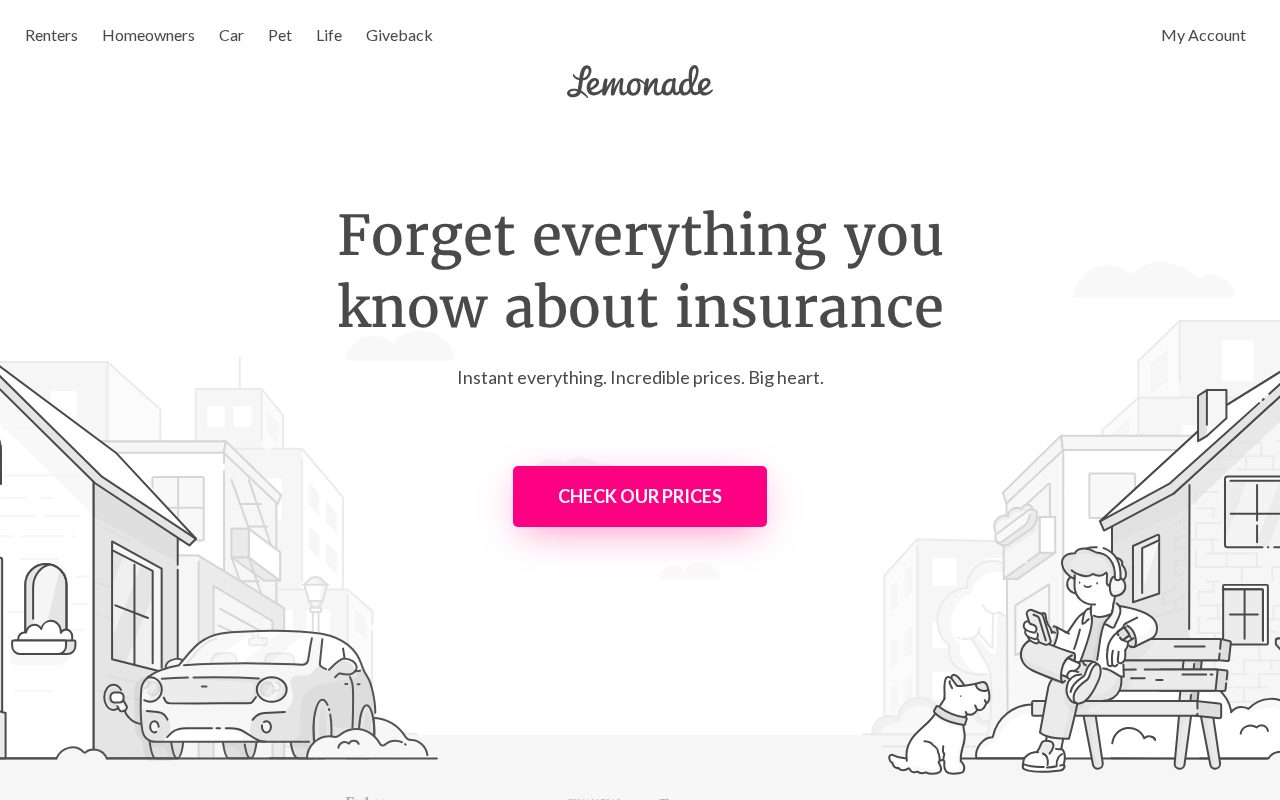
Lemonade Plain-English cover explained simply. Visit ↗
BYOB New inbox in every project
Insurance buyers in Tokyo compare fast — give them instant quotes, clear plans, and trust signals.
Runs on the stack you trust
Prompt to product
Compare the one-line brief with what BYOB ships. Real layout, data, and deploy status, editable from the same workspace.
Team Tasks
Shared task tracking
Drag the handle. Or focus it and use the arrow keys.
Get inspired
Real sites that do it well. Build something like this with BYOB.
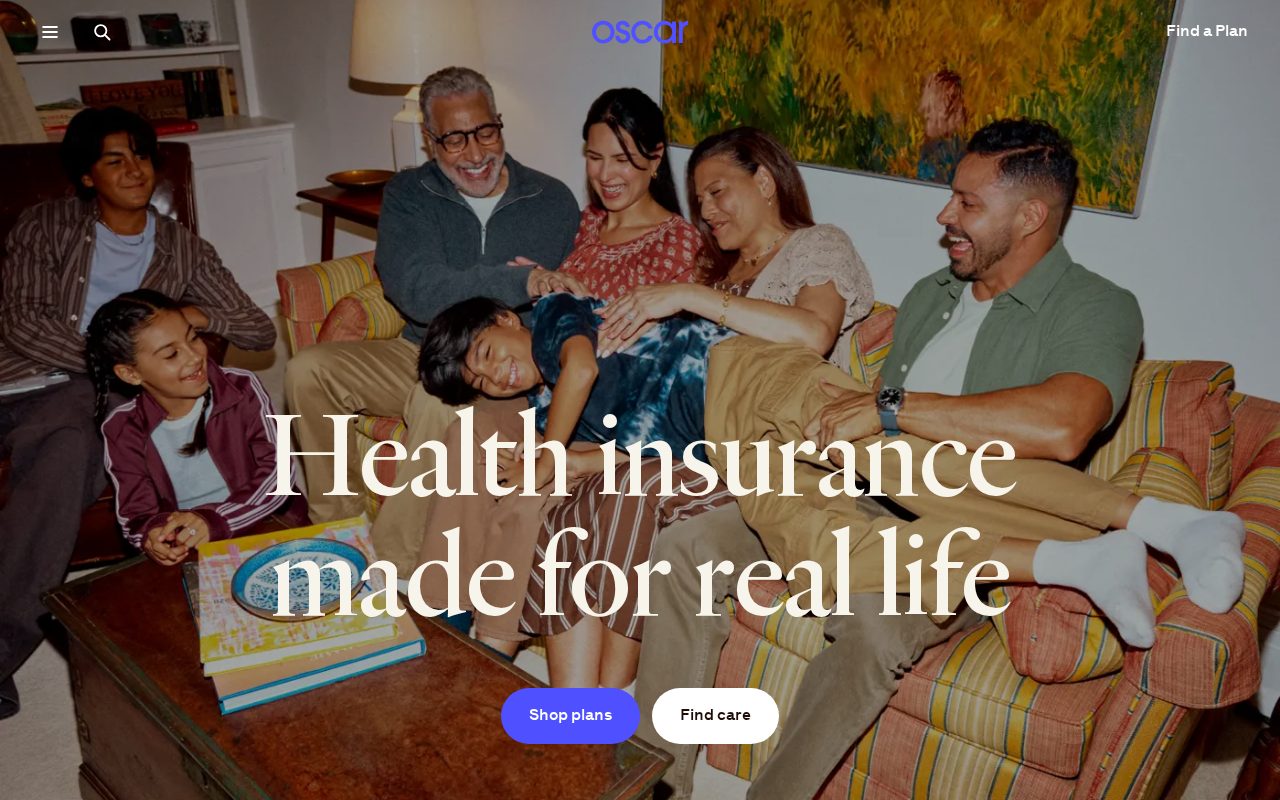
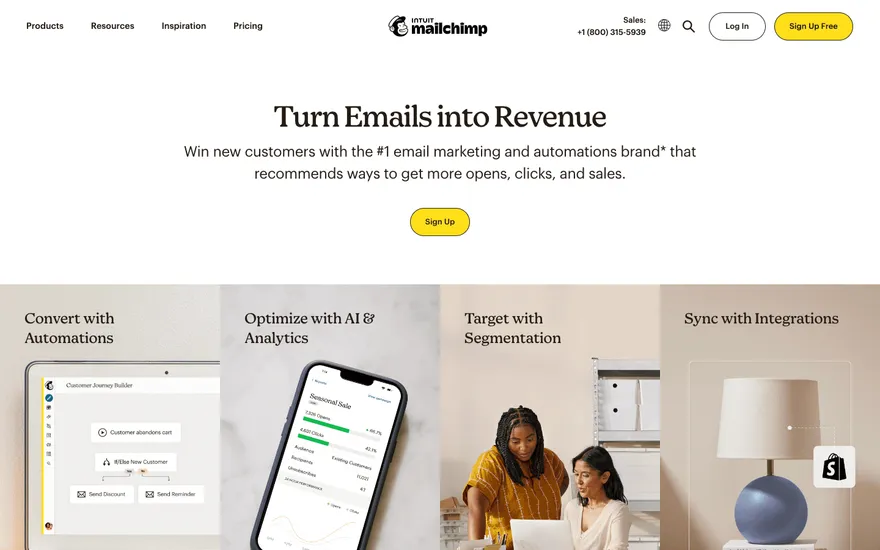
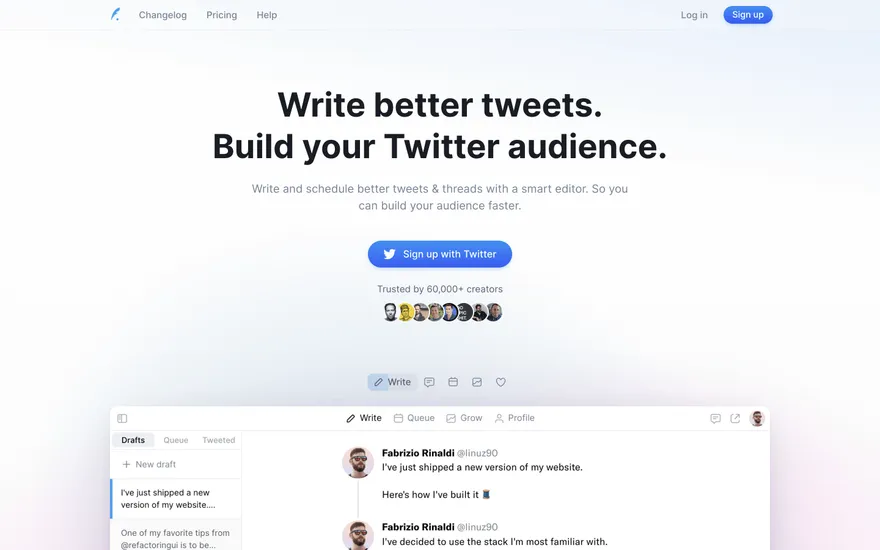
Local details
Japanese-first; detail and trust are decisive.
Fresh from the community
See what builders ship, or start from an example.
Live workspace
The workspace is built for repeated product work, not disposable demos. Every generated file stays inspectable, every change is visible, and every follow-up can target the exact part of the app you care about.
01 · EDITOR
Every file BYOB writes stays visible and editable. Follow-ups target the exact lines you care about instead of regenerating from scratch.
<script lang='ts'>type Task = { id: string; title: string; done: boolean
}let tasks = $state<Task[]>([])function toggleTask(id: string) {task.done = !task.done // just added by BYOB}</script>02 · AI COMMAND
Describe the outcome once. BYOB turns it into a build plan, implements it step by step, and keeps every change visible while you iterate.
Your prompt
“Build a todo app for beginners”
Build plan
80%03 · LIVE PREVIEW
The preview updates as BYOB works, with deploy status attached, so the path from edit to production stays inspectable.
Team Tasks
Shared task tracking
Prompt to app
Start conversationally, approve the shape, let Tool Mode implement, then refine and deploy from the same workspace.
Agent and backend
Connect Codex, Claude Code, or Antigravity to your project, then store data and ship to production without leaving the workspace.
npx -y byob-cli codex installApprove only the projects your agent can touch, then read context, edit files, inspect diffs, test previews, and roll back from your terminal.
Rated 4.9/5 by developers and founders using BYOB to move from idea to shipped product.
Built for shipping
BYOB handles product planning, implementation, preview, testing, database work, and deployment from one focused interface, with coding-agent access and production analytics when you want to keep working from your own terminal.
This part is hands-on. The cards drift until you touch them. Drag to rearrange, or press and hold one to feel it push back.
Give Codex, Claude Code, or Antigravity scoped access through BYOB CLI or Agent MCP. Your agent reads context, edits code, tests previews, and deploys from your terminal.
Every change lands as a commit. Inspect history, compare diffs, and see exactly what changed since the last deploy.
Every project ships with an inbox. Collect messages, leads, and feedback from your app without wiring a third party.
Send magic links, OTP codes, and transactional mail from your own sender address. Resend-backed, no SMTP setup.
Offer Continue with Google plus passwordless email codes. Sessions and callbacks are handled.
Point your domain at BYOB with guided DNS checks. Certificates are automatic.
Click any element in the live preview and describe the change. Copy, spacing, color, behavior.
Run full-site or feature checks and get implementation-level feedback you can apply in one step.
Step between saved states or redeploy a known commit when an experiment goes sideways.
Builds publish to production hosting in one step. Deploys can auto-save the project state first.
Worker traffic, errors, CPU timing, subrequests, and custom-domain status from the workspace.
Connect Supabase and BYOB reads schemas, drafts migrations, and generates types that match your app.
Invite people in and keep sessions coordinated so work never overwrites work.
Simple pricing
Pay as you go when you are exploring. Move to Pro or Max when BYOB becomes part of your regular build workflow.
$1 = 100 credits
2,000+ credits/mo
8,000+ credits/mo
Live estimator
Try the cost calculator. Drag the pages slider, toggle the options, and watch the agency quote vs BYOB update instantly.
Open full cost calculator →$5,750 upfront
~$1,150 / year
~$45 in credits
BYOB builds the same site from one prompt and hosts it on the edge. Planning estimates, not quotes.
See BYOB plansNeed white-label and SSO? Talk to us →
A Tokyo insurance website should lead in Japanese, explain cover and exclusions in plain language, show licensed adviser and FSA registration details, and make quote requests easy on mobile. Quote in yen (JPY), note Japan's 10% consumption tax where relevant, and offer contact and payment options Tokyo clients already use.
Tokyo applicants rarely commit to cover on a first visit. They compare options, save screenshots and ask a colleague or relative before signing, so a site must survive a second opinion. Pages that spell out exclusions, waiting periods and how a claim is filed outperform glossy imagery. Because much of the market is served by independent agents and small brokerages, the website often acts as the firm's main shopfront in districts such as Chiyoda, Chūō and Minato.
Put the facts a cautious buyer wants in one place: who advises them, which registration they hold, where the office is, and how to reach a human. Add adviser profiles, a clear complaints route and an accessible disclosure for each product you describe. Corporate lines deserve their own page covering employee benefits and liability. Reviews from named Tokyo clients help, but keep claims modest and specific rather than decorative.
A Tokyo quote form should request only what you need to respond well, then confirm receipt immediately. Mirror the local preference for a considered reply by saying when someone will get back, and offer phone or email follow-up instead of repeated calls. Explain in a short privacy note how personal data is stored, since Japanese applicants are attentive to that. Multi-step forms that remember progress work better on a phone than one long page.
Price everything in Japanese yen, the only currency local clients expect for domestic cover. Japan's consumption tax currently stands at 10%, so show tax-inclusive figures unless you clearly label otherwise. Cards are widely accepted and PayPay is common, so list only the methods you actually support. A.jp domain, paired with accurate Japanese metadata, signals a local operation and helps people find you in search.
Tokyo behaves like a cluster of distinct markets rather than one. A Shinjuku clinic, a Chūō trading company and a Setagaya family look for different cover and different proof. Choose a single clear service-area page, name the wards you genuinely cover, and keep your address and phone identical across every listing. Reviews from real local clients carry more weight than broad claims about being Tokyo's leading agency.
Japanese financial audiences expect thoroughness over minimalism, so keep layouts calm and information-dense. Use orderly white space, descriptive headings and type that renders Japanese cleanly across devices. Avoid heavy visual effects that slow mobile pages, and make sure every product claim is matched by a disclosure or a clear next step. A restrained, dependable palette reads as more credible here than novelty for its own sake.
FAQ
Yes. Most Tokyo applicants research and compare in Japanese, so build your core pages in Japanese first. English can be a secondary version for expatriate or corporate audiences, but it should not replace the local-language experience.
It is better to quote in yen (JPY). Japanese buyers expect domestic pricing, and mixing currencies creates doubt. If you serve overseas clients, keep those prices clearly separated from your Japanese offer.
Ask for a name, a contact method, the type of cover and a few qualifying details only. Confirm receipt instantly, explain when you will reply, and include a short privacy note describing how personal data is handled.
Publish genuinely useful Japanese pages about cover, claims and eligibility, name the wards you serve, and keep your address, phone and reviews consistent. Use a.jp domain with accurate Japanese metadata.
Cards and PayPay cover most expectations. Show only the methods you support, display tax-inclusive amounts given Japan's 10% consumption tax, and keep any payment link secure.
Start with one clear prompt. BYOB will help turn it into a product you can inspect, edit, test, and ship.
 npm