


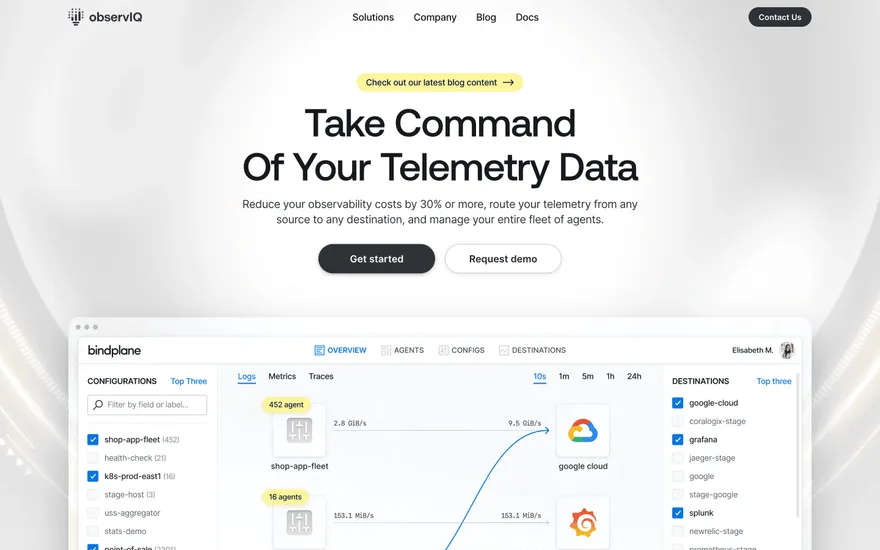
observIQ Telemetry product with a technical hero. Visit ↗
BYOB New inbox in every project
GemPages is a Shopify page builder that keeps your pages tied to a store and a recurring app subscription. This page looks at what it does well, and where generating a standalone site with BYOB OnePage is the simpler call.
Runs on the stack you trust
Prompt to product
Compare the one-line brief with what BYOB ships. Real layout, data, and deploy status, editable from the same workspace.
Team Tasks
Shared task tracking
Drag the handle. Or focus it and use the arrow keys.
Get inspired
Real sites that do it well. Build something like this with BYOB.
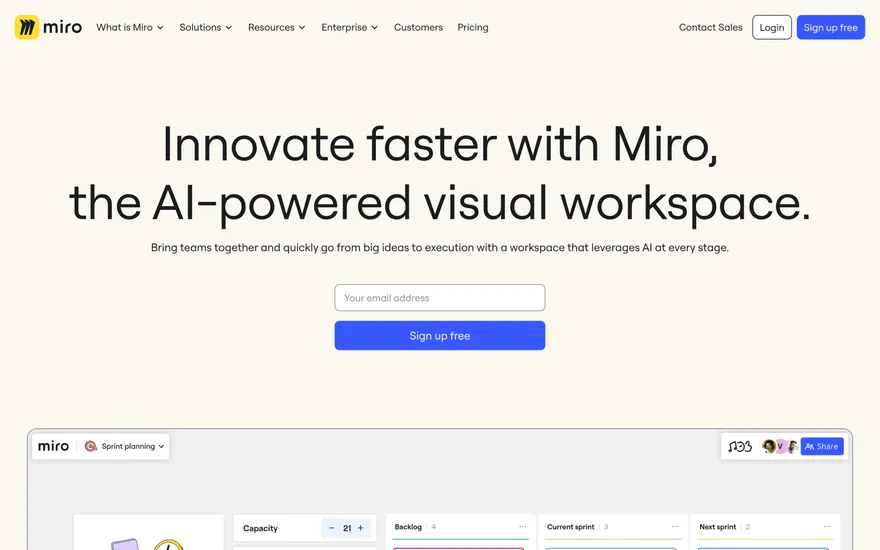

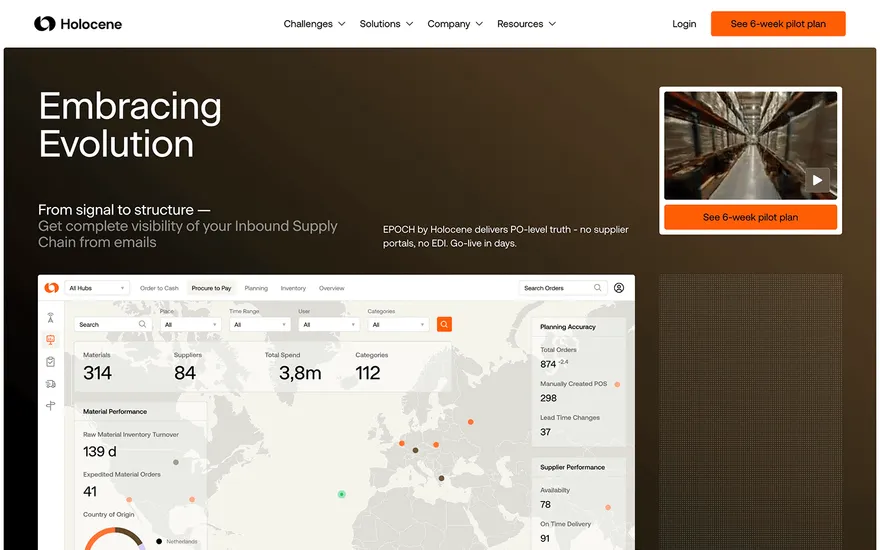
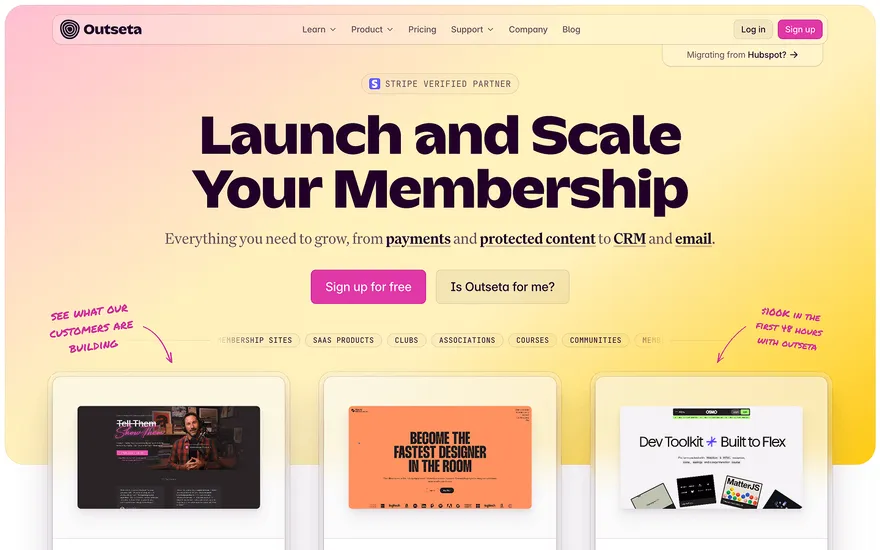
Fresh from the community
See what builders ship, or start from an example.
Live workspace
The workspace is built for repeated product work, not disposable demos. Every generated file stays inspectable, every change is visible, and every follow-up can target the exact part of the app you care about.
01 · EDITOR
Every file BYOB writes stays visible and editable. Follow-ups target the exact lines you care about instead of regenerating from scratch.
<script lang='ts'>type Task = { id: string; title: string; done: boolean
}let tasks = $state<Task[]>([])function toggleTask(id: string) {task.done = !task.done // just added by BYOB}</script>02 · AI COMMAND
Describe the outcome once. BYOB turns it into a build plan, implements it step by step, and keeps every change visible while you iterate.
Your prompt
“Build a todo app for beginners”
Build plan
80%03 · LIVE PREVIEW
The preview updates as BYOB works, with deploy status attached, so the path from edit to production stays inspectable.
Team Tasks
Shared task tracking
Prompt to app
Start conversationally, approve the shape, let Tool Mode implement, then refine and deploy from the same workspace.
Agent and backend
Connect Codex, Claude Code, or Antigravity to your project, then store data and ship to production without leaving the workspace.
npx -y byob-cli codex installApprove only the projects your agent can touch, then read context, edit files, inspect diffs, test previews, and roll back from your terminal.
Rated 4.9/5 by developers and founders using BYOB to move from idea to shipped product.
Built for shipping
BYOB handles product planning, implementation, preview, testing, database work, and deployment from one focused interface, with coding-agent access and production analytics when you want to keep working from your own terminal.
This part is hands-on. The cards drift until you touch them. Drag to rearrange, or press and hold one to feel it push back.
Give Codex, Claude Code, or Antigravity scoped access through BYOB CLI or Agent MCP. Your agent reads context, edits code, tests previews, and deploys from your terminal.
Every change lands as a commit. Inspect history, compare diffs, and see exactly what changed since the last deploy.
Every project ships with an inbox. Collect messages, leads, and feedback from your app without wiring a third party.
Send magic links, OTP codes, and transactional mail from your own sender address. Resend-backed, no SMTP setup.
Offer Continue with Google plus passwordless email codes. Sessions and callbacks are handled.
Point your domain at BYOB with guided DNS checks. Certificates are automatic.
Click any element in the live preview and describe the change. Copy, spacing, color, behavior.
Run full-site or feature checks and get implementation-level feedback you can apply in one step.
Step between saved states or redeploy a known commit when an experiment goes sideways.
Builds publish to production hosting in one step. Deploys can auto-save the project state first.
Worker traffic, errors, CPU timing, subrequests, and custom-domain status from the workspace.
Connect Supabase and BYOB reads schemas, drafts migrations, and generates types that match your app.
Invite people in and keep sessions coordinated so work never overwrites work.
Simple pricing
Pay as you go when you are exploring. Move to Pro or Max when BYOB becomes part of your regular build workflow.
$1 = 100 credits
2,000+ credits/mo
8,000+ credits/mo
Live estimator
Try the cost calculator. Drag the pages slider, toggle the options, and watch the agency quote vs BYOB update instantly.
Open full cost calculator →$5,750 upfront
~$1,150 / year
~$45 in credits
BYOB builds the same site from one prompt and hosts it on the edge. Planning estimates, not quotes.
See BYOB plansNeed white-label and SSO? Talk to us →
GemPages is a visual page builder for Shopify, priced as a recurring app subscription and limited to storefront pages. BYOB OnePage instead generates a standalone, hosted site from a prompt, editable without code and publishable on your own domain, so campaign and product pages do not need a Shopify plan behind them.
GemPages is built for merchants who want pages managed beside their products. Its visual editor offers a large template library and deep integration with Shopify product data, reviews and cart, so a page can pull live prices and link straight to checkout. For stores that already live in Shopify and want marketing pages there too, that tight coupling is genuinely useful and hard to match with a generic builder.
Every capability GemPages adds arrives as a monthly app charge on top of your Shopify plan, and page building is rarely the only app a growing store pays for. That stack adds up quietly. A standalone builder has no app marketplace involved, so a campaign page does not permanently increase your store's cost base. If the page's job ends with the launch, so can the tooling cost.
Many pages do not belong inside the storefront at all: a product teaser, a founder announcement, a waitlist before launch, a partner or wholesale enquiry. These read better as self-contained siters on their own address, free to change without touching a theme or risking a store release. BYOB OnePage generates exactly this asset from a prompt and hosts it, with a call to action that points buyers back to your Shopify checkout.
GemPages starts from a template you adapt. BYOB OnePage starts from a description: type what the product is and who it is for, and it drafts the headline, feature blocks, proof, FAQ and call to action as a coherent page. Editing is then conversational or visual. The difference matters most when you are not sure of the structure, because the first draft already reflects a sensible landing-page sequence rather than a blank canvas.
Choosing another builder for marketing pages does not mean leaving Shopify. For a standalone offer you can take payment through built-in payments, but for most merchants the cleaner pattern is to keep orders, inventory, tax and shipping in Shopify and let the generated page send buyers into the existing product or cart. The marketing page stays lightweight and independent, while the operational truth stays in one system.
There is no automated import from GemPages, so moving means copy and paste: bring across the text, upload the same images, and rebuild the sections. It is a short task for the kind of focused page GemPages is usually used on, and a natural moment to drop the filler blocks that only existed to fill a template. Export the result as a self-contained site you own, or publish it directly.
FAQ
No. It is a standalone hosted builder, so a generated page lives on its own domain and links to your store rather than running inside the Shopify admin.
Yes. Use built-in payments for a standalone offer, or link the call to action to checkout inside your Shopify store.
There is no automated import. Recreate the page by copying your text and uploading your images, then rebuild the layout with the AI editor.
No. BYOB OnePage publishes independently, which is why it suits campaigns and waitlists that exist before or beside a store.
Generating and publishing a OnePage site is free to start; paid plans cover custom domains and higher usage.
Start with one clear prompt. BYOB will help turn it into a product you can inspect, edit, test, and ship.
 npm