


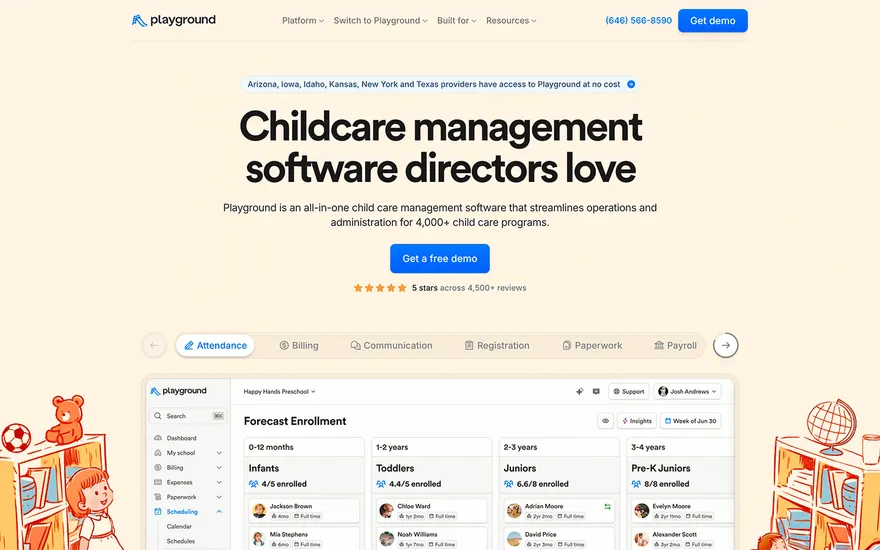
Playground Childcare software with a warm, direct hero. Visit ↗
BYOB New inbox in every project
Oxygen Builder appeals to people who want control over their markup, but that control arrives attached to WordPress, publishing, and a template mindset. This page compares that approach with generating a site from a written prompt.
Runs on the stack you trust
Prompt to product
Compare the one-line brief with what BYOB ships. Real layout, data, and deploy status, editable from the same workspace.
Team Tasks
Shared task tracking
Drag the handle. Or focus it and use the arrow keys.
Get inspired
Real sites that do it well. Build something like this with BYOB.
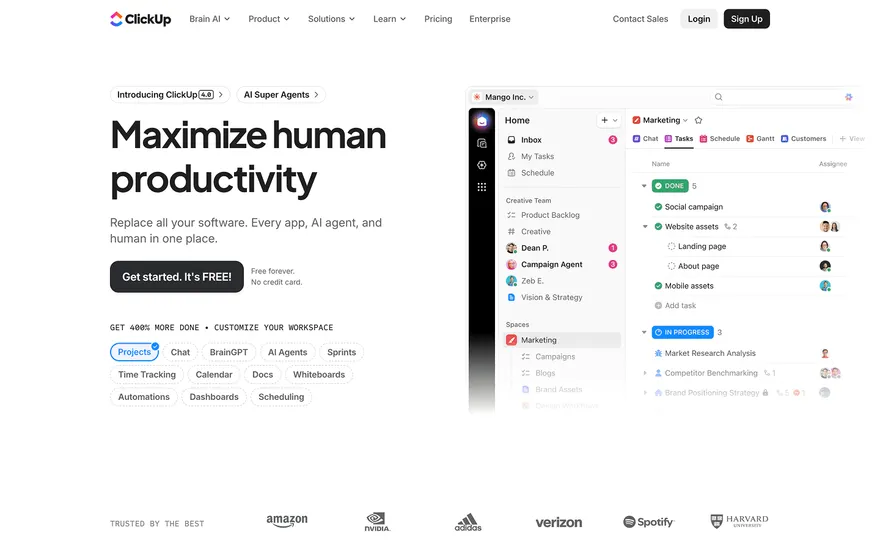
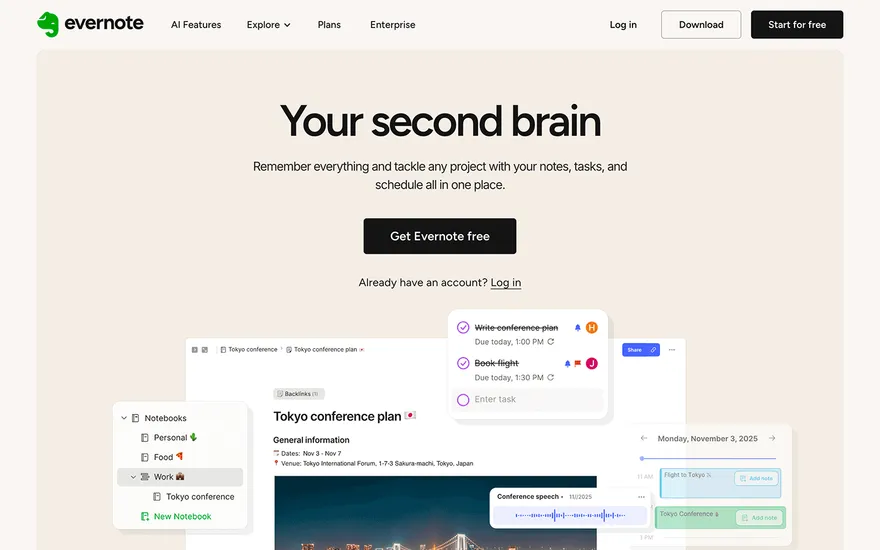
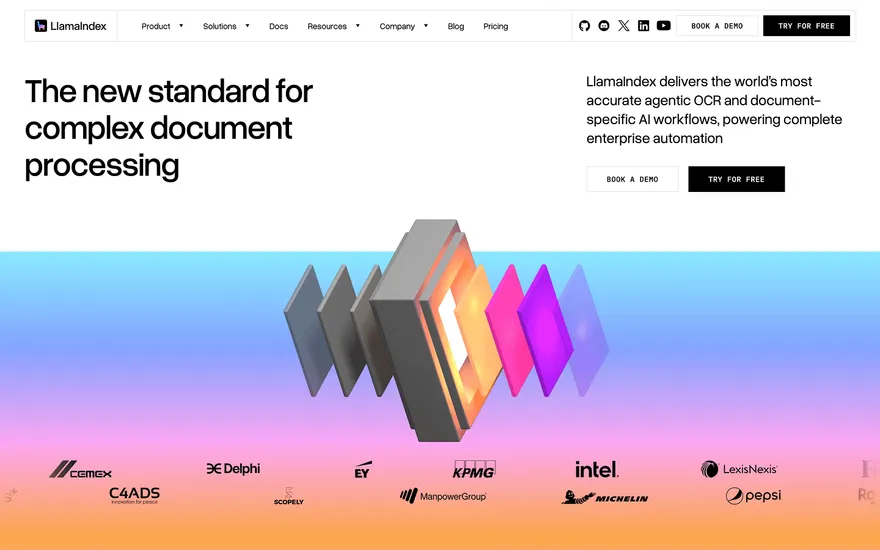
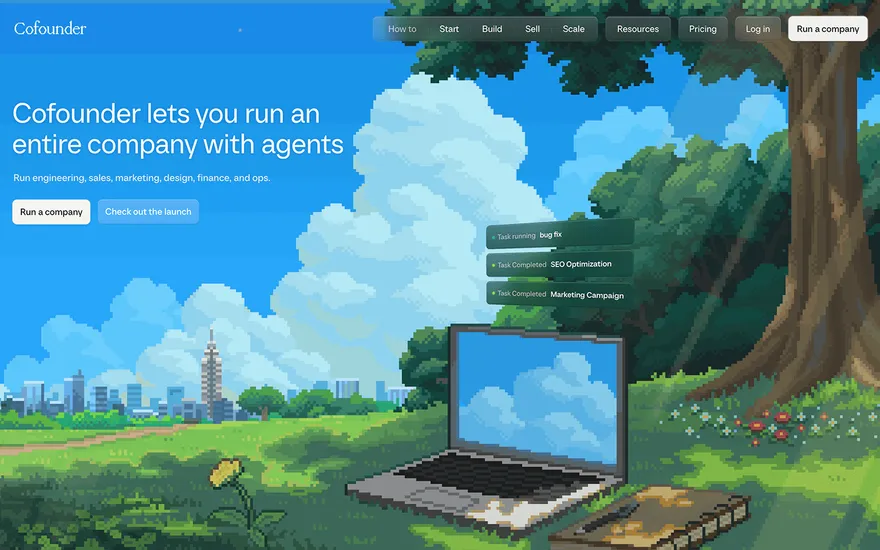
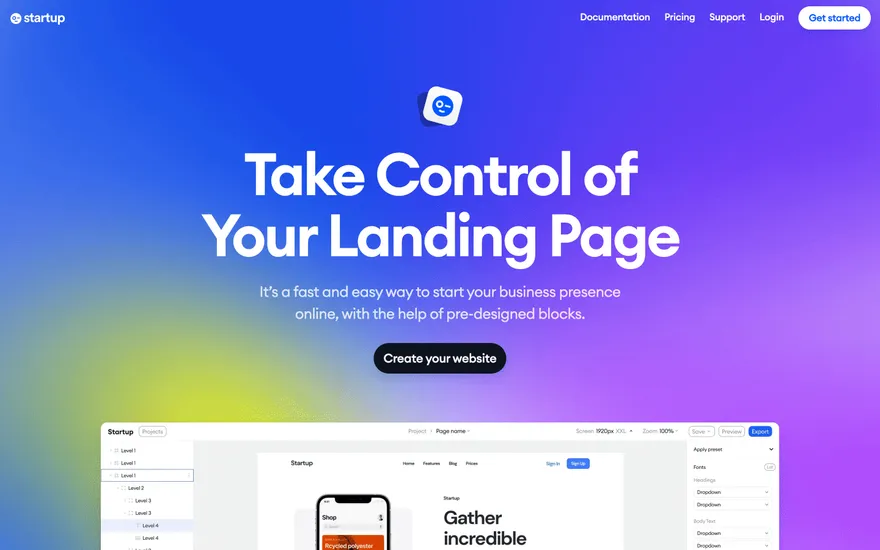
Fresh from the community
See what builders ship, or start from an example.
Live workspace
The workspace is built for repeated product work, not disposable demos. Every generated file stays inspectable, every change is visible, and every follow-up can target the exact part of the app you care about.
01 · EDITOR
Every file BYOB writes stays visible and editable. Follow-ups target the exact lines you care about instead of regenerating from scratch.
<script lang='ts'>type Task = { id: string; title: string; done: boolean
}let tasks = $state<Task[]>([])function toggleTask(id: string) {task.done = !task.done // just added by BYOB}</script>02 · AI COMMAND
Describe the outcome once. BYOB turns it into a build plan, implements it step by step, and keeps every change visible while you iterate.
Your prompt
“Build a todo app for beginners”
Build plan
80%03 · LIVE PREVIEW
The preview updates as BYOB works, with deploy status attached, so the path from edit to production stays inspectable.
Team Tasks
Shared task tracking
Prompt to app
Start conversationally, approve the shape, let Tool Mode implement, then refine and deploy from the same workspace.
Agent and backend
Connect Codex, Claude Code, or Antigravity to your project, then store data and ship to production without leaving the workspace.
npx -y byob-cli codex installApprove only the projects your agent can touch, then read context, edit files, inspect diffs, test previews, and roll back from your terminal.
Rated 4.9/5 by developers and founders using BYOB to move from idea to shipped product.
Built for shipping
BYOB handles product planning, implementation, preview, testing, database work, and deployment from one focused interface, with coding-agent access and production analytics when you want to keep working from your own terminal.
This part is hands-on. The cards drift until you touch them. Drag to rearrange, or press and hold one to feel it push back.
Give Codex, Claude Code, or Antigravity scoped access through BYOB CLI or Agent MCP. Your agent reads context, edits code, tests previews, and deploys from your terminal.
Every change lands as a commit. Inspect history, compare diffs, and see exactly what changed since the last deploy.
Every project ships with an inbox. Collect messages, leads, and feedback from your app without wiring a third party.
Send magic links, OTP codes, and transactional mail from your own sender address. Resend-backed, no SMTP setup.
Offer Continue with Google plus passwordless email codes. Sessions and callbacks are handled.
Point your domain at BYOB with guided DNS checks. Certificates are automatic.
Click any element in the live preview and describe the change. Copy, spacing, color, behavior.
Run full-site or feature checks and get implementation-level feedback you can apply in one step.
Step between saved states or redeploy a known commit when an experiment goes sideways.
Builds publish to production hosting in one step. Deploys can auto-save the project state first.
Worker traffic, errors, CPU timing, subrequests, and custom-domain status from the workspace.
Connect Supabase and BYOB reads schemas, drafts migrations, and generates types that match your app.
Invite people in and keep sessions coordinated so work never overwrites work.
Simple pricing
Pay as you go when you are exploring. Move to Pro or Max when BYOB becomes part of your regular build workflow.
$1 = 100 credits
2,000+ credits/mo
8,000+ credits/mo
Live estimator
Try the cost calculator. Drag the pages slider, toggle the options, and watch the agency quote vs BYOB update instantly.
Open full cost calculator →$5,750 upfront
~$1,150 / year
~$45 in credits
BYOB builds the same site from one prompt and hosts it on the edge. Planning estimates, not quotes.
See BYOB plansNeed white-label and SSO? Talk to us →
BYOB OnePage is an Oxygen-style alternative that builds sites from a prompt rather than a WordPress canvas. You describe the page, AI drafts the hero, features, pricing, and contact sections, and you refine them visually or in chat, with no WordPress install, template tree, or plugin stack to maintain.
Oxygen earns its reputation for lean, framework-free output, but that control assumes you already run WordPress, maintain publishing, and think in reusable templates. For a site, that machinery is more than the job needs. BYOB OnePage skips the install entirely: you describe the page and receive finished sections you can edit, rather than assembling a header, a template, and a content block before anything appears on screen.
Oxygen's interface is a builder's builder, full of elements, structure panels, and selectors. BYOB inverts the order. Your first action is a sentence such as "a landing page for a weekend ceramics workshop with a schedule and signup form", and the assistant returns a complete draft. You still control the result: click a section to restyle it, rewrite a headline inline, drag blocks into place. The difference is that you start from content and layout instead of a blank component hierarchy, which suits siters where the message matters more than the underlying tree.
Both tools care about clean markup, but they get there differently. Oxygen renders through WordPress, so performance depends on your theme removal, your host, and the plugins you keep active. BYOB compiles a hosted page from the sections you generate, so there is no plugin list to audit and no theme wrapped around the layout. For a site brochure site, that means fewer moving parts between your copy and the visitor, and nothing to update when WordPress or PHP ships a new release.
There is no importer that reads Oxygen templates and rebuilds them here, and pretending otherwise would waste your afternoon. The practical route is manual but short: copy your headings, paragraphs, and button labels, upload your images, then paste the text into the prompt or editor and let the AI arrange matching sections. Because a siter usually holds five to eight blocks, most people finish the transfer in a hour and end up with tighter copy than the original.
Oxygen is a one-time license, but it sits on top of WordPress publishing and whatever premium plugins the site relies on. BYOB OnePage is free to start, with paid plans for custom domains and heavier use. If your business already runs WooCommerce, membership logic, or a large blog inside WordPress, keep Oxygen for that project. Use a generated siter for the focused campaigns it was never the best fit for, and link the two together.
FAQ
No. There is no automatic Oxygen importer, so you copy your text and upload your images, then let the AI rebuild the layout around your existing content.
No. It runs in the browser and hosts the page for you, so there is no CMS, theme, or publishing account to set up first.
Pages are compiled from the sections you generate rather than assembled from plugins, so less code reaches the browser and there is no theme layer bloating the output.
Generating and publishing a OnePage site is free to start; custom domains and higher usage sit on the paid plans listed on the pricing page.
Yes. You can build and publish a focused page per client, then connect each client's own domain on a paid plan.
Start with one clear prompt. BYOB will help turn it into a product you can inspect, edit, test, and ship.
 npm
npm