


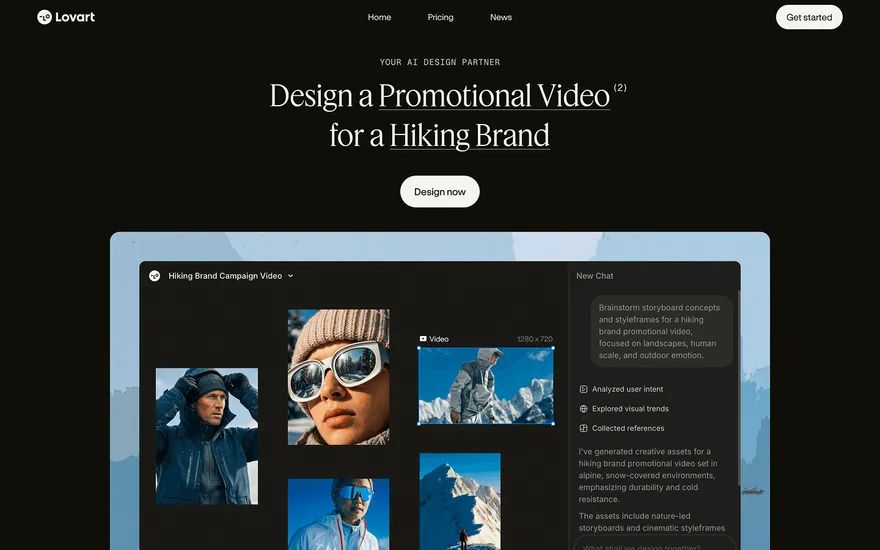
Loveart Bold AI-design hero with strong visuals. Visit ↗
BYOB New inbox in every project
A site is not doomed to rank poorly, but it will not rank by accident either. The difference is structure: clean headings, honest metadata, and enough content to satisfy a query. This page covers how to get those right in BYOB OnePage.
Runs on the stack you trust
Prompt to product
Compare the one-line brief with what BYOB ships. Real layout, data, and deploy status, editable from the same workspace.
Team Tasks
Shared task tracking
Drag the handle. Or focus it and use the arrow keys.
Get inspired
Real sites that do it well. Build something like this with BYOB.
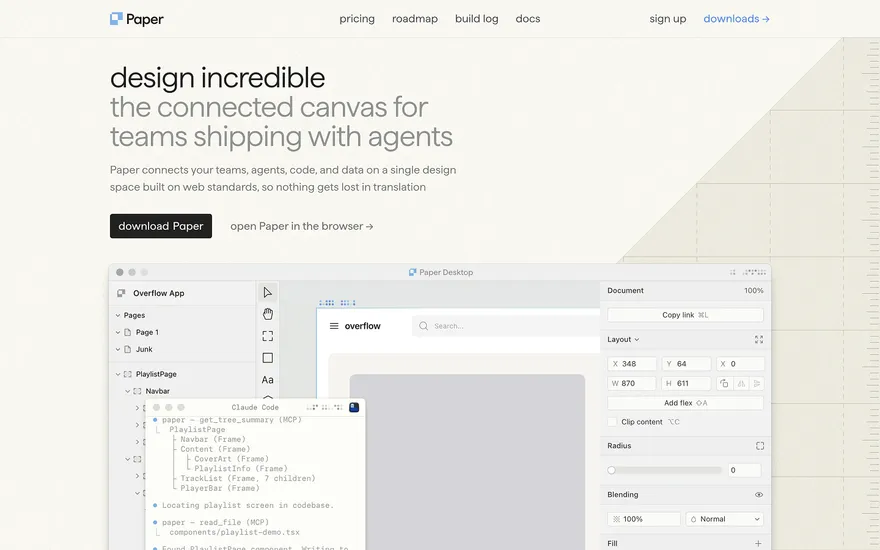
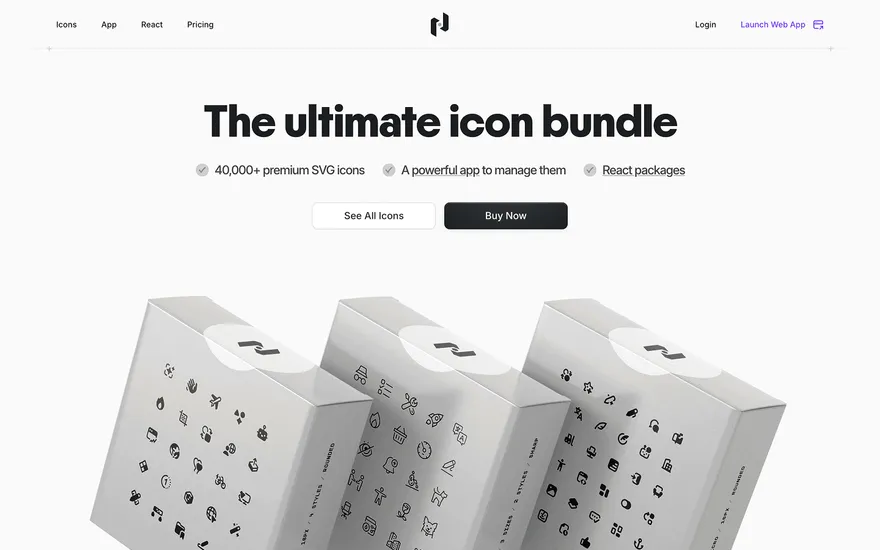
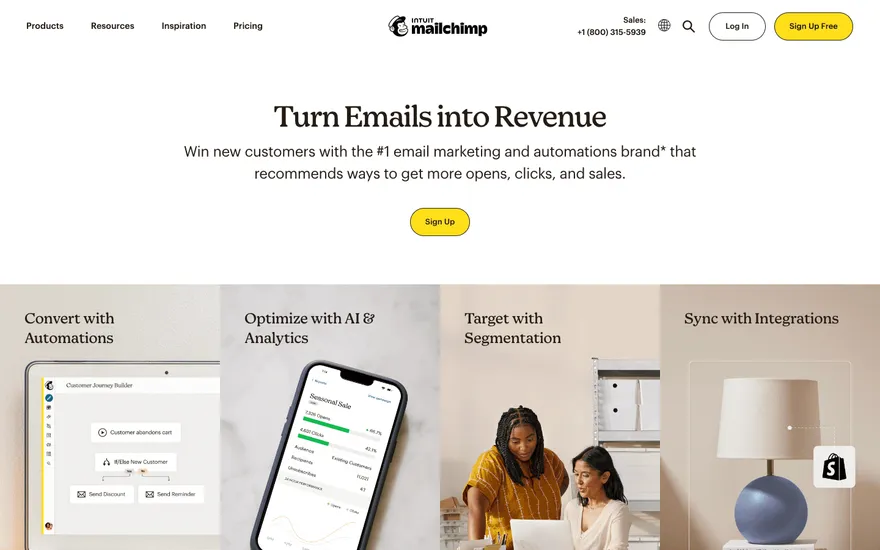
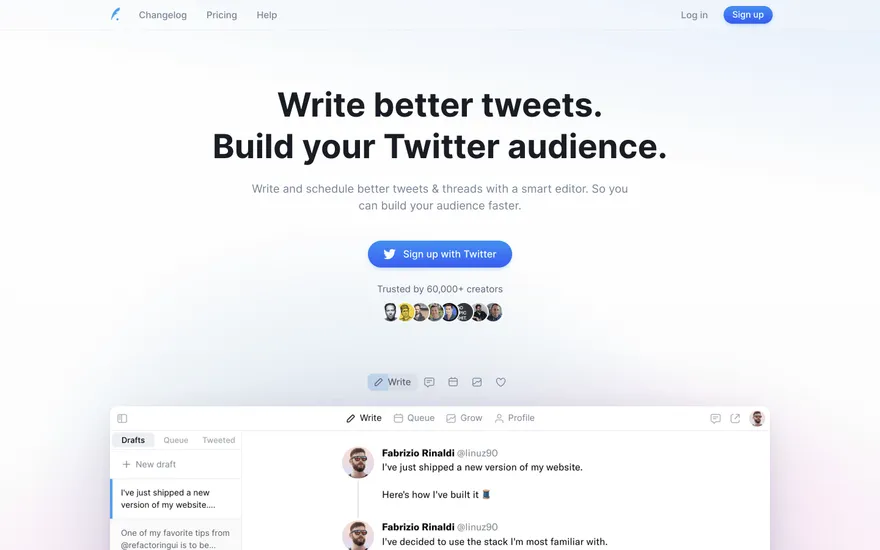
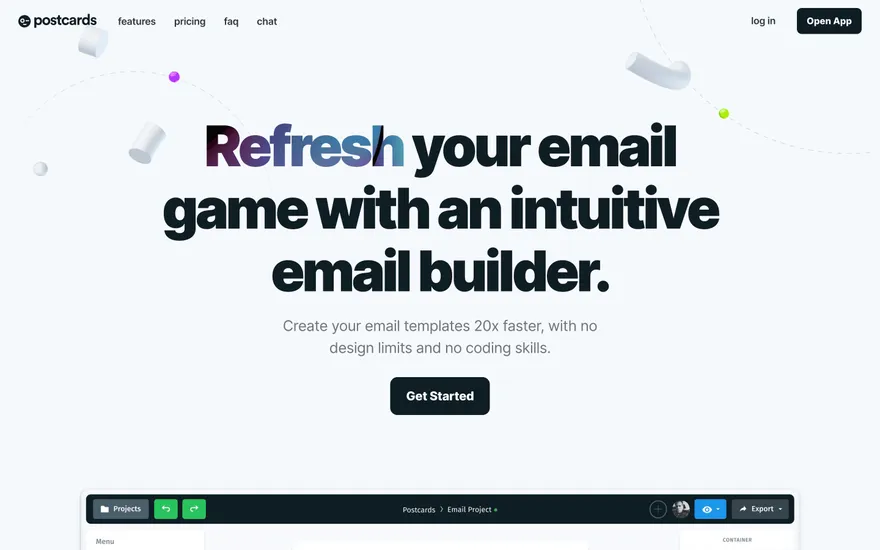
Fresh from the community
See what builders ship, or start from an example.
Live workspace
The workspace is built for repeated product work, not disposable demos. Every generated file stays inspectable, every change is visible, and every follow-up can target the exact part of the app you care about.
01 · EDITOR
Every file BYOB writes stays visible and editable. Follow-ups target the exact lines you care about instead of regenerating from scratch.
<script lang='ts'>type Task = { id: string; title: string; done: boolean
}let tasks = $state<Task[]>([])function toggleTask(id: string) {task.done = !task.done // just added by BYOB}</script>02 · AI COMMAND
Describe the outcome once. BYOB turns it into a build plan, implements it step by step, and keeps every change visible while you iterate.
Your prompt
“Build a todo app for beginners”
Build plan
80%03 · LIVE PREVIEW
The preview updates as BYOB works, with deploy status attached, so the path from edit to production stays inspectable.
Team Tasks
Shared task tracking
Prompt to app
Start conversationally, approve the shape, let Tool Mode implement, then refine and deploy from the same workspace.
Agent and backend
Connect Codex, Claude Code, or Antigravity to your project, then store data and ship to production without leaving the workspace.
npx -y byob-cli codex installApprove only the projects your agent can touch, then read context, edit files, inspect diffs, test previews, and roll back from your terminal.
Rated 4.9/5 by developers and founders using BYOB to move from idea to shipped product.
Built for shipping
BYOB handles product planning, implementation, preview, testing, database work, and deployment from one focused interface, with coding-agent access and production analytics when you want to keep working from your own terminal.
This part is hands-on. The cards drift until you touch them. Drag to rearrange, or press and hold one to feel it push back.
Give Codex, Claude Code, or Antigravity scoped access through BYOB CLI or Agent MCP. Your agent reads context, edits code, tests previews, and deploys from your terminal.
Every change lands as a commit. Inspect history, compare diffs, and see exactly what changed since the last deploy.
Every project ships with an inbox. Collect messages, leads, and feedback from your app without wiring a third party.
Send magic links, OTP codes, and transactional mail from your own sender address. Resend-backed, no SMTP setup.
Offer Continue with Google plus passwordless email codes. Sessions and callbacks are handled.
Point your domain at BYOB with guided DNS checks. Certificates are automatic.
Click any element in the live preview and describe the change. Copy, spacing, color, behavior.
Run full-site or feature checks and get implementation-level feedback you can apply in one step.
Step between saved states or redeploy a known commit when an experiment goes sideways.
Builds publish to production hosting in one step. Deploys can auto-save the project state first.
Worker traffic, errors, CPU timing, subrequests, and custom-domain status from the workspace.
Connect Supabase and BYOB reads schemas, drafts migrations, and generates types that match your app.
Invite people in and keep sessions coordinated so work never overwrites work.
Simple pricing
Pay as you go when you are exploring. Move to Pro or Max when BYOB becomes part of your regular build workflow.
$1 = 100 credits
2,000+ credits/mo
8,000+ credits/mo
Live estimator
Try the cost calculator. Drag the pages slider, toggle the options, and watch the agency quote vs BYOB update instantly.
Open full cost calculator →$5,750 upfront
~$1,150 / year
~$45 in credits
BYOB builds the same site from one prompt and hosts it on the edge. Planning estimates, not quotes.
See BYOB plansNeed white-label and SSO? Talk to us →
To rank a site website, use one descriptive H1, a H2 for each section, a unique title and meta description, descriptive anchor links, and fast-loading pages. A siter can target one clear topic well; BYOB OnePage generates semantic headings and lets you edit page metadata before publishing.
Search engines rank pages, not sites. A site that answers a specific query thoroughly can outrank a thin multi-page site that never fully addresses it. The catch is scope: site competes for one main idea. If you fold pricing, about us, and how it works into one long scroll, you can rank for the central term but not for three unrelated searches. Treat the page as a focused article that happens to include sections, and give the primary topic room to be covered properly instead of splitting attention across competing subjects.
With no separate URLs, headings do the organizing work. Use a single H1 that matches the page's main topic, then a H2 for each major section and H3s beneath specific points. Keep the hierarchy in order rather than choosing heading levels for their size; screen readers and crawlers both rely on that outline. BYOB OnePage generates sections with headings already in a sensible order, and you can rename them. When you rewrite a heading, make it descriptive: what the setup costs tells a crawler and a reader more than more info.
The title tag and meta description are the first things a search result shows, and a siter only gets one set. Write a title that leads with the page's main phrase and stays under roughly sixty characters, then a description that states the benefit in a sentence. BYOB exposes these fields per page so you are not stuck with a generated default. The same data feeds social previews, so the link looks intentional when someone shares it. Avoid repeating the same phrase five times; one accurate mention reads better than stuffing.
Anchored sections give each block a linkable address, which helps you point people to the right part of the page from a post or an email. Internally, descriptive link text tells crawlers what the destination is about, so a label like read the pricing details beats click here. If your siter has to sit alongside a larger site, link to it from a relevant page so it is not orphaned. A page that nothing links to and that links nowhere is hard for search engines to discover and easy to forget.
Everything on a siter loads on the first request, so a heavy hero video or a folder of uncompressed images hurts more than it would across many pages. Compress images, avoid autoplaying media above the fold, and keep fonts to a couple of families. Fast pages tend to keep visitors longer, and engagement signals reinforce rankings. Check the page on a mid-range phone over mobile data rather than on a desktop with fast Wi-Fi; that is the experience most searchers actually get.
If you find yourself wanting to rank for several distinct services, a city-page strategy, or a steady stream of articles, site works brilliantly as a landing, and when your content needs its own URLs, the same project expands into a multi-page site — each with its own title, description, and headings. Start the multi-page version in BYOB's full app builder, keep the siter as a focused landing page, and link between them so the search equity stays connected.
FAQ
Yes. Search engines rank pages, so a site that thoroughly answers one topic can rank. It works best when the page stays focused rather than covering unrelated subjects.
Realistically one main topic with a few close variations. Spreading a site across several unrelated keywords usually weakens all of them.
Yes. BYOB OnePage exposes page metadata so you can write a unique title and description instead of keeping the generated defaults.
They make sections directly linkable and give crawlers a clearer structure, which supports the page's main topic.
No. A well-structured siter can rank for its core query. A blog helps when you want to target many separate topics over time.
Start with one clear prompt. BYOB will help turn it into a product you can inspect, edit, test, and ship.
 npm
npm