


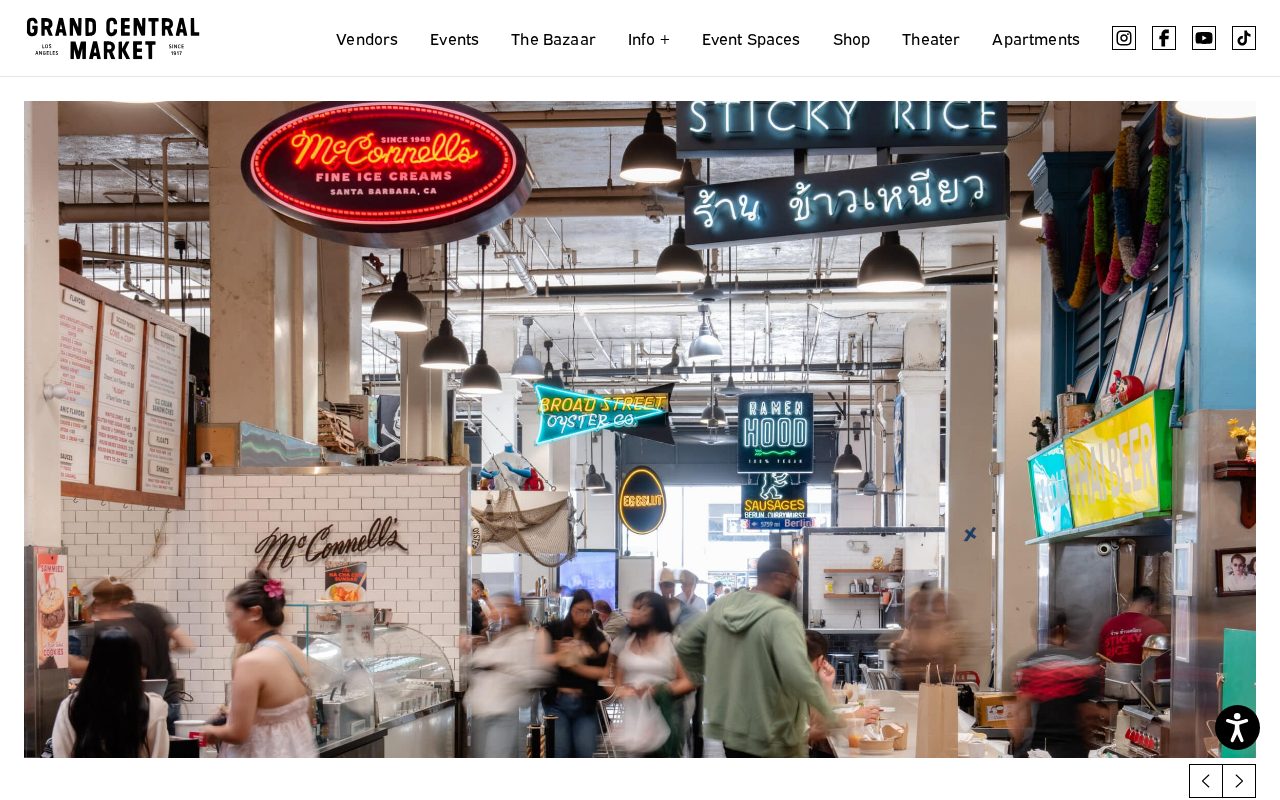
Grand Central Market Vendor directory and visit planning in one place. Visit ↗
BYOB New inbox in every project
Diners in Los Angeles decide in seconds — show the menu, hours, and a reservation button above the fold.
Runs on the stack you trust
Prompt to product
Compare the one-line brief with what BYOB ships. Real layout, data, and deploy status, editable from the same workspace.
Team Tasks
Shared task tracking
Drag the handle. Or focus it and use the arrow keys.
Get inspired
Real sites that do it well. Build something like this with BYOB.
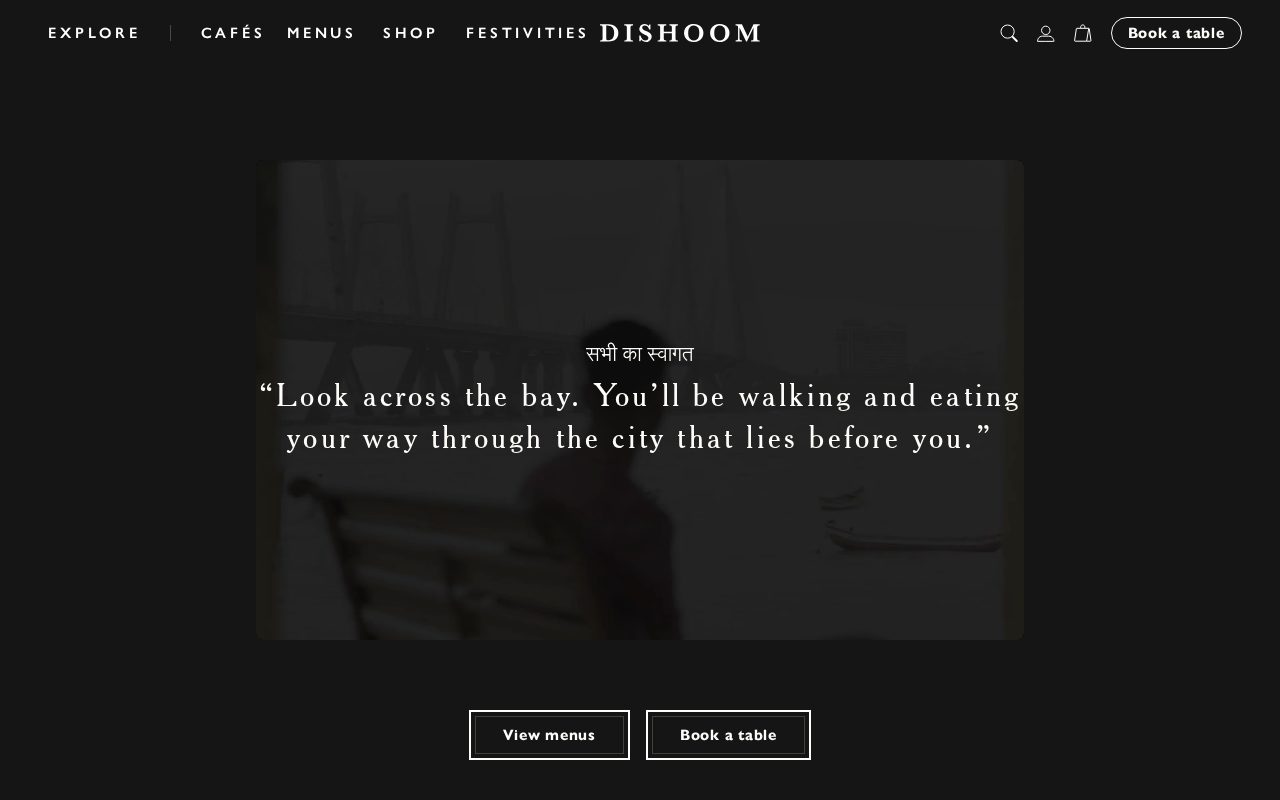
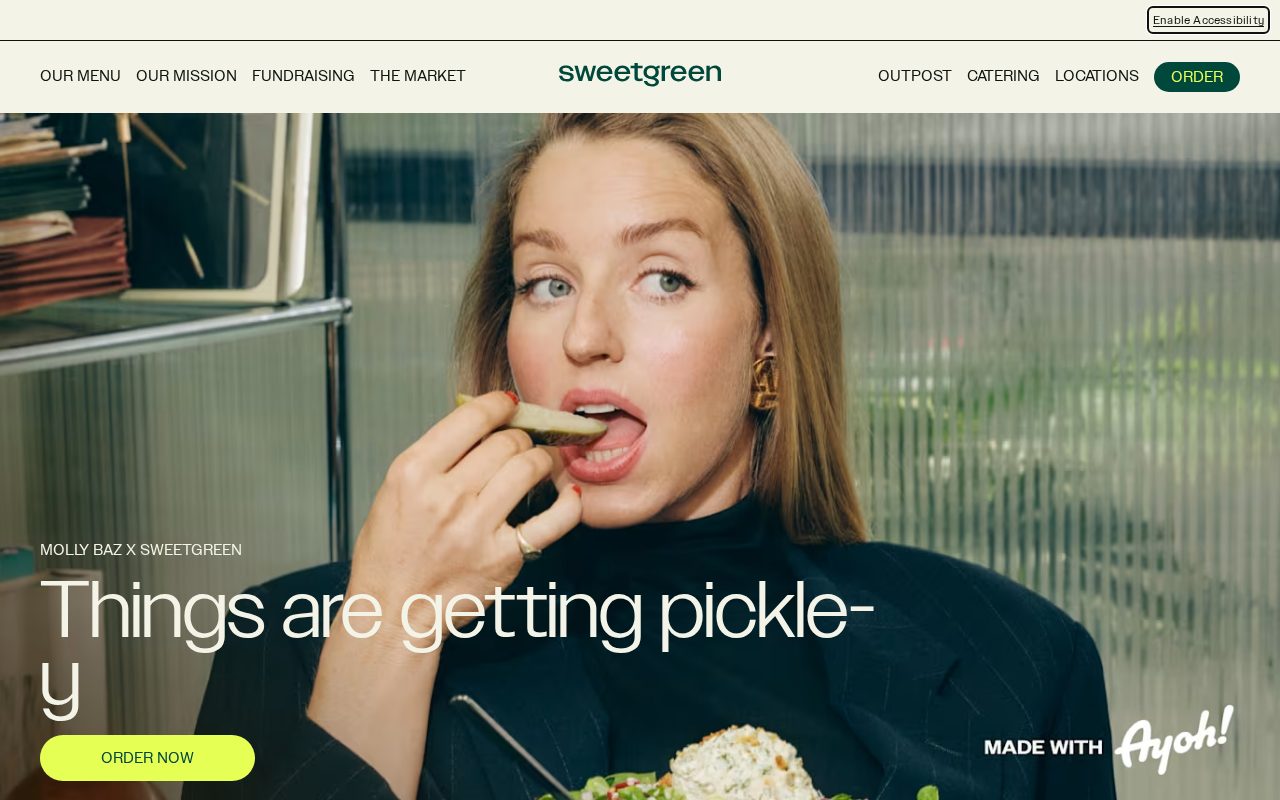
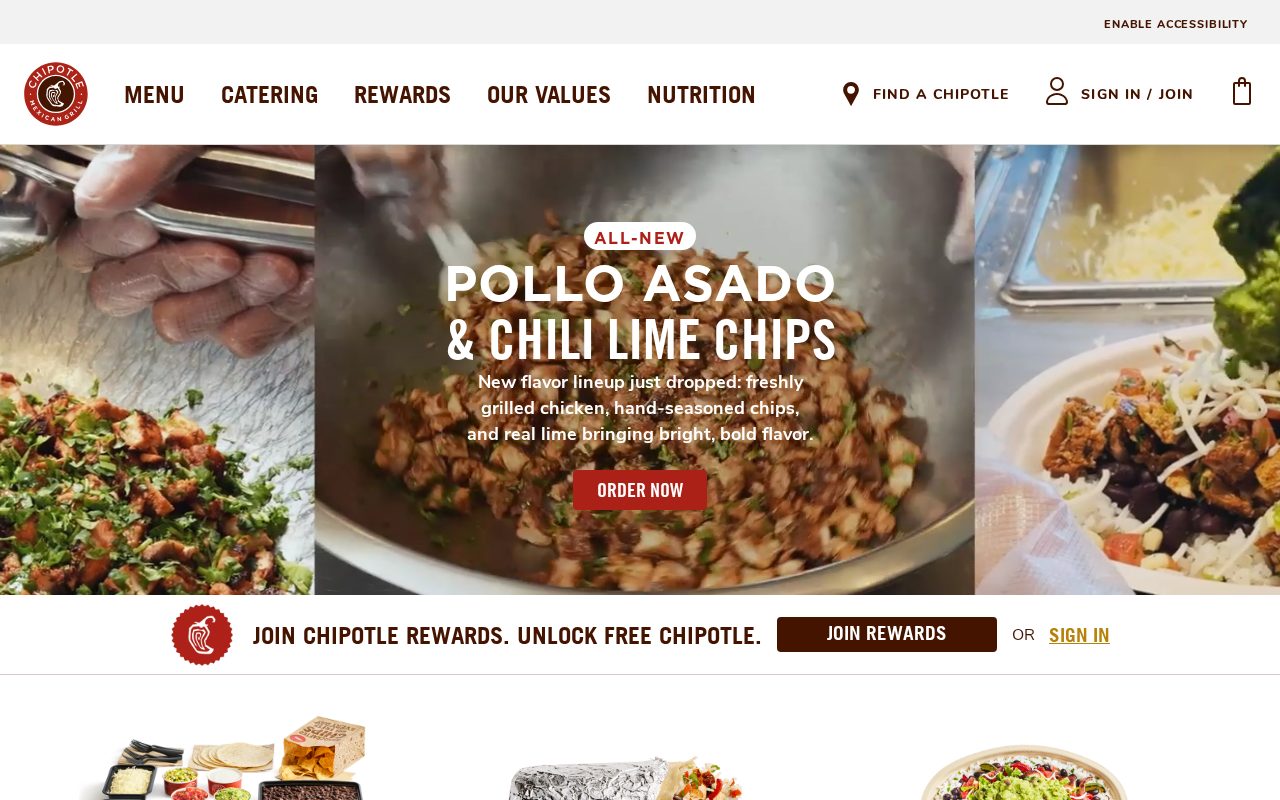
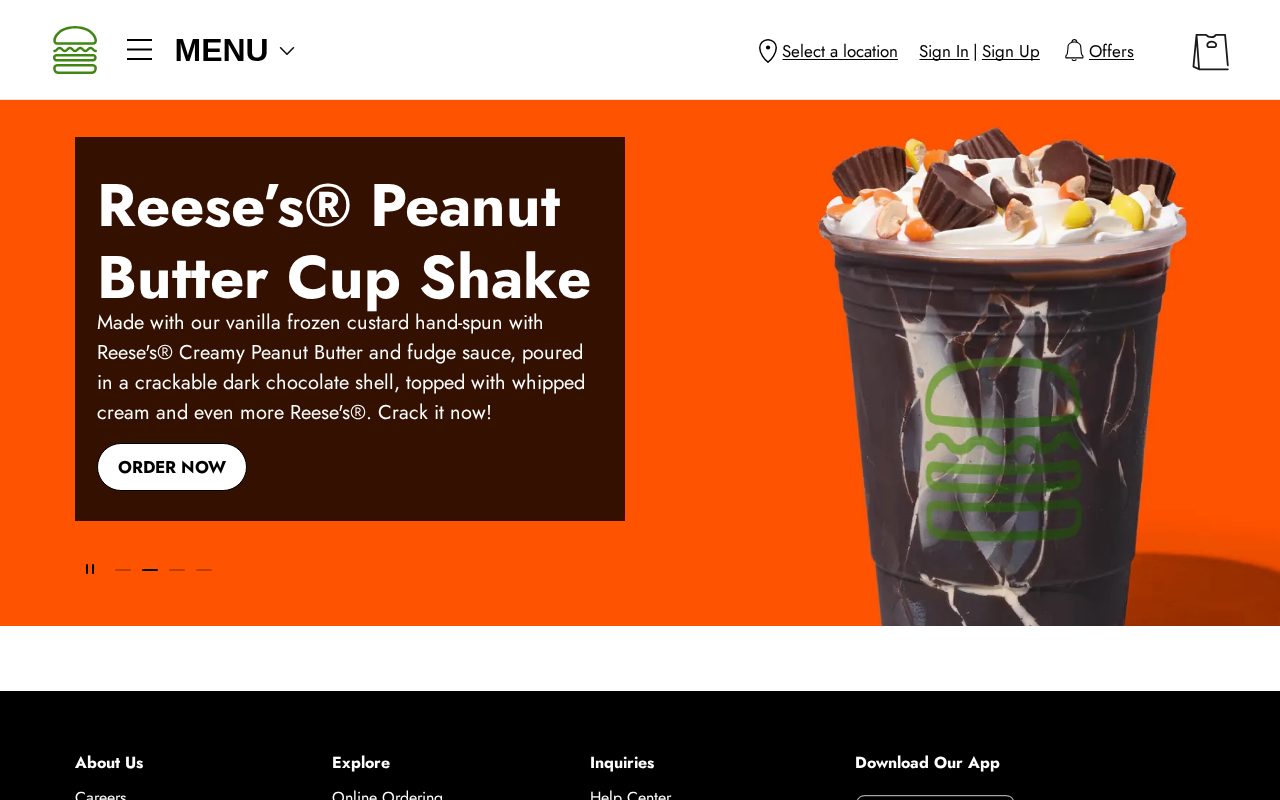
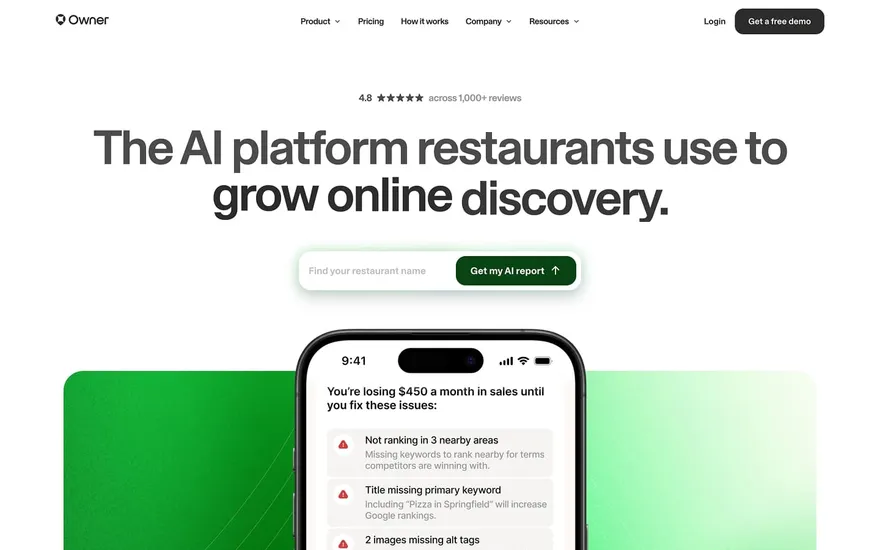
Local details
Visual-first buyers; strong imagery and social proof matter as much as copy.
Fresh from the community
See what builders ship, or start from an example.
Live workspace
The workspace is built for repeated product work, not disposable demos. Every generated file stays inspectable, every change is visible, and every follow-up can target the exact part of the app you care about.
01 · EDITOR
Every file BYOB writes stays visible and editable. Follow-ups target the exact lines you care about instead of regenerating from scratch.
<script lang='ts'>type Task = { id: string; title: string; done: boolean
}let tasks = $state<Task[]>([])function toggleTask(id: string) {task.done = !task.done // just added by BYOB}</script>02 · AI COMMAND
Describe the outcome once. BYOB turns it into a build plan, implements it step by step, and keeps every change visible while you iterate.
Your prompt
“Build a todo app for beginners”
Build plan
80%03 · LIVE PREVIEW
The preview updates as BYOB works, with deploy status attached, so the path from edit to production stays inspectable.
Team Tasks
Shared task tracking
Prompt to app
Start conversationally, approve the shape, let Tool Mode implement, then refine and deploy from the same workspace.
Agent and backend
Connect Codex, Claude Code, or Antigravity to your project, then store data and ship to production without leaving the workspace.
npx -y byob-cli codex installApprove only the projects your agent can touch, then read context, edit files, inspect diffs, test previews, and roll back from your terminal.
Rated 4.9/5 by developers and founders using BYOB to move from idea to shipped product.
Built for shipping
BYOB handles product planning, implementation, preview, testing, database work, and deployment from one focused interface, with coding-agent access and production analytics when you want to keep working from your own terminal.
This part is hands-on. The cards drift until you touch them. Drag to rearrange, or press and hold one to feel it push back.
Give Codex, Claude Code, or Antigravity scoped access through BYOB CLI or Agent MCP. Your agent reads context, edits code, tests previews, and deploys from your terminal.
Every change lands as a commit. Inspect history, compare diffs, and see exactly what changed since the last deploy.
Every project ships with an inbox. Collect messages, leads, and feedback from your app without wiring a third party.
Send magic links, OTP codes, and transactional mail from your own sender address. Resend-backed, no SMTP setup.
Offer Continue with Google plus passwordless email codes. Sessions and callbacks are handled.
Point your domain at BYOB with guided DNS checks. Certificates are automatic.
Click any element in the live preview and describe the change. Copy, spacing, color, behavior.
Run full-site or feature checks and get implementation-level feedback you can apply in one step.
Step between saved states or redeploy a known commit when an experiment goes sideways.
Builds publish to production hosting in one step. Deploys can auto-save the project state first.
Worker traffic, errors, CPU timing, subrequests, and custom-domain status from the workspace.
Connect Supabase and BYOB reads schemas, drafts migrations, and generates types that match your app.
Invite people in and keep sessions coordinated so work never overwrites work.
Simple pricing
Pay as you go when you are exploring. Move to Pro or Max when BYOB becomes part of your regular build workflow.
$1 = 100 credits
2,000+ credits/mo
8,000+ credits/mo
Live estimator
Try the cost calculator. Drag the pages slider, toggle the options, and watch the agency quote vs BYOB update instantly.
Open full cost calculator →$5,750 upfront
~$1,150 / year
~$45 in credits
BYOB builds the same site from one prompt and hosts it on the edge. Planning estimates, not quotes.
See BYOB plansNeed white-label and SSO? Talk to us →
A Los Angeles restaurant website should put hours, address, menu and a booking or ordering action within the first screen on mobile. BYOB generates those pages from a prompt as editable code, and can add data-backed features like reservation forms, specials or a location page for each LA branch.
Angelenos usually find a restaurant through Instagram, TikTok or a friend, then check the basics on their phone before committing. Put tonight's hours, the address and a one-tap booking or ordering link at the top of the page. Los Angeles stretches across distinct areas, so say clearly which neighbourhood you are in - whether that is Silver Lake, Koreatown, Santa Monica or Downtown - and how to get there. A hero image is fine, but never let it push the address below the fold on a phone.
Many LA restaurants run more than one site, and diners expect each to have its own accurate page. Give every location an address, cross streets, parking notes, patio or valet details and holiday hours. Traffic shapes decisions here, so a short line about when the room is calm or when the kitchen closes helps people plan. Consistent hours in one format reduce the phone calls asking whether you are open, and a map link saves the visitor from copying an address into another app.
BYOB does not run a native reservation or delivery engine, and it is better to be clear about that. Generate the pages around the platforms you already use - a table booking service, a delivery marketplace or a phone line for large parties - and make each a single obvious button. You can also build a simple booking request form that stores submissions in data storage if you prefer to manage the floor yourself. Either way the goal is one clear next step, not three competing ones.
When someone searches for a cuisine near a specific part of the city, a clean local presence does most of the work. Claim and maintain your Google Business Profile, keep name, address and phone identical everywhere, and use a stable.com domain. If you have several locations, give each its own page so the one in Echo Park does not compete with the one in Culver City. In a city as bilingual as Los Angeles, a calm line noting the languages your staff speak can also help visitors feel welcome.
FAQ
Yes. The menu is editable content, so a manager can change dishes and prices in the visual editor or by asking in chat without touching code.
You can link to a reservation service you use, or build a form that stores requests in data storage. BYOB does not include a native reservation engine.
Yes. Generate a separate page for each LA location with its own hours, address and parking notes, then link them from the main navigation.
Link to the delivery or pickup platform you already use. BYOB builds the surrounding pages but is not a native ordering system.
It can. Add your neighbourhood clearly, keep your Google Business Profile and contact details consistent, and give each location a page of its own.
Start with one clear prompt. BYOB will help turn it into a product you can inspect, edit, test, and ship.
 npm
npm