


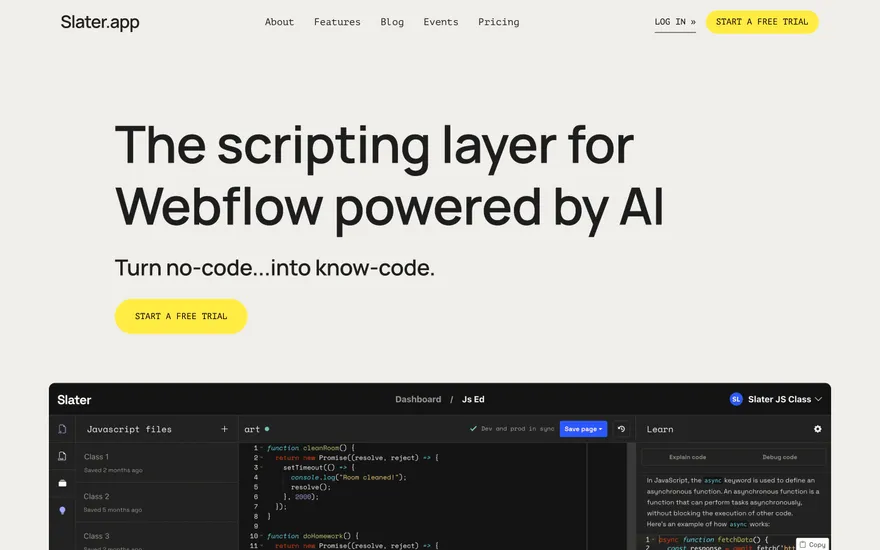
Slater Webflow tooling with editor-led proof. Visit ↗
BYOB New inbox in every project
The BYOB dashboard is not the only way to work. The BYOB CLI installs a local byob command, and BYOB's MCP tools expose the same project operations to any capable client, so terminal users and coding agents can stay inside their own environment.
Runs on the stack you trust
Prompt to product
Compare the one-line brief with what BYOB ships. Real layout, data, and deploy status, editable from the same workspace.
Team Tasks
Shared task tracking
Drag the handle. Or focus it and use the arrow keys.
Get inspired
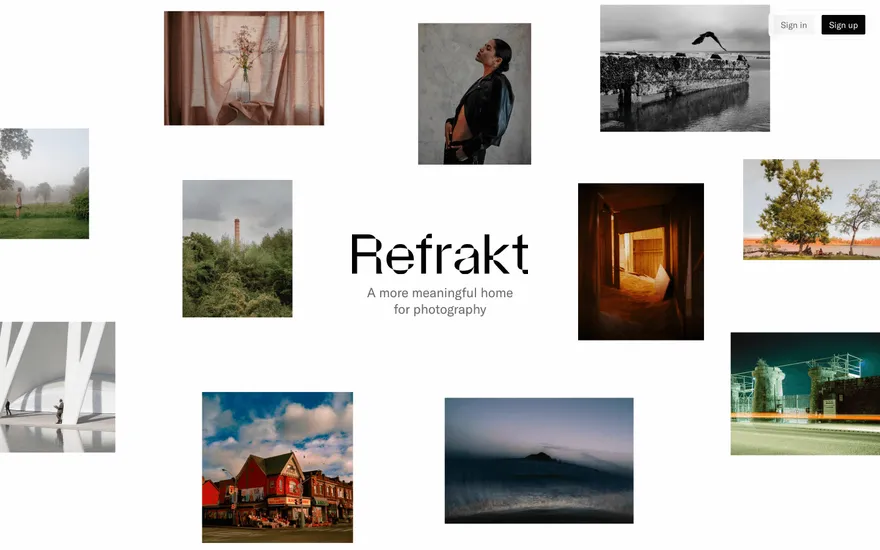
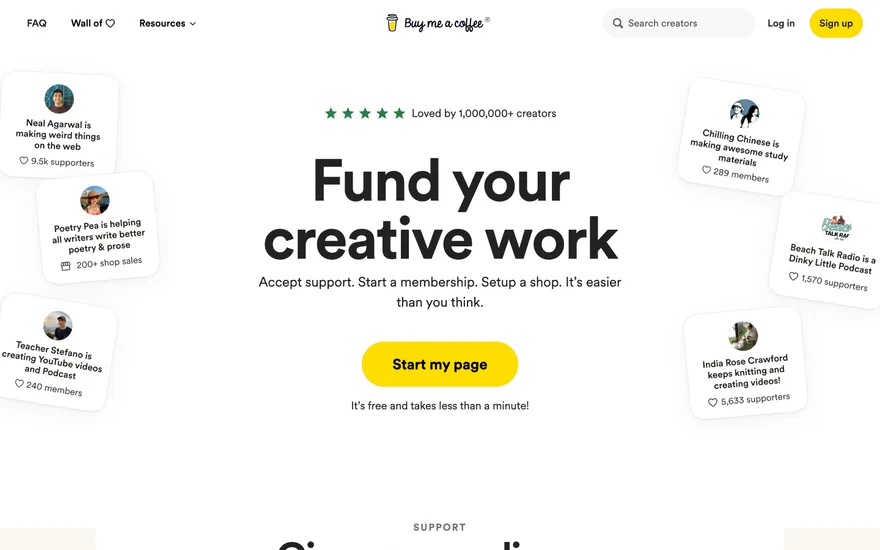
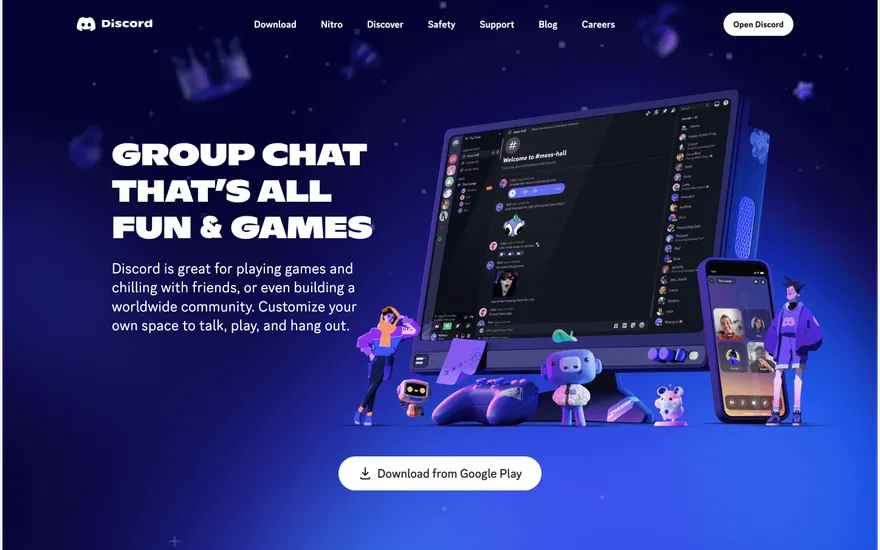
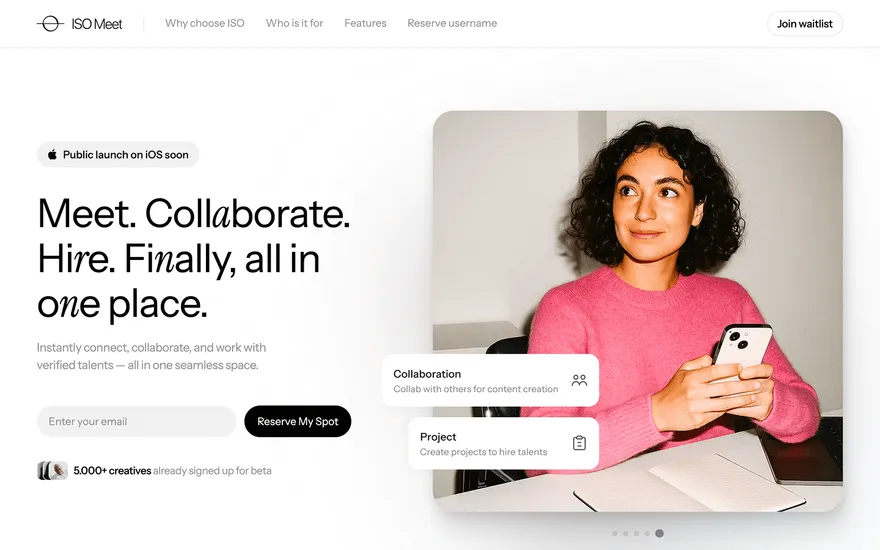
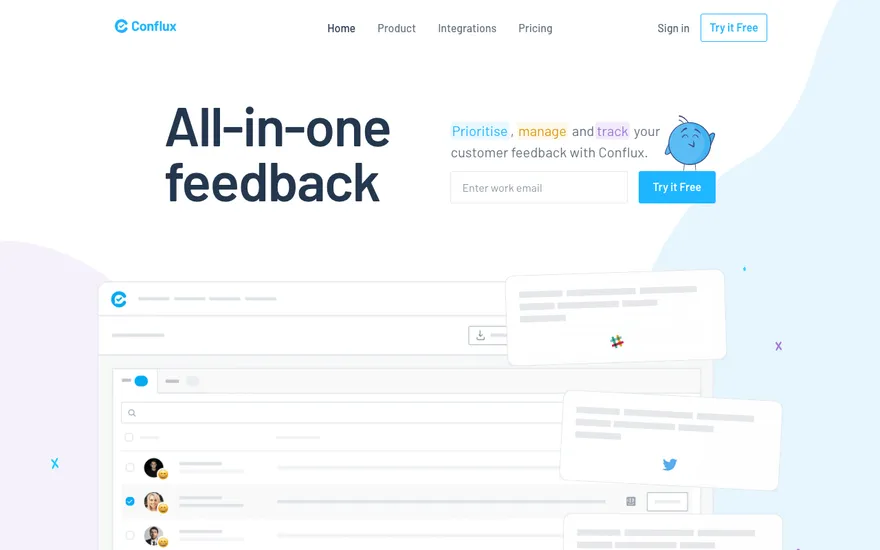
Real sites that do it well. Build something like this with BYOB.
Fresh from the community
See what builders ship, or start from an example.
Live workspace
The workspace is built for repeated product work, not disposable demos. Every generated file stays inspectable, every change is visible, and every follow-up can target the exact part of the app you care about.
01 · EDITOR
Every file BYOB writes stays visible and editable. Follow-ups target the exact lines you care about instead of regenerating from scratch.
<script lang='ts'>type Task = { id: string; title: string; done: boolean
}let tasks = $state<Task[]>([])function toggleTask(id: string) {task.done = !task.done // just added by BYOB}</script>02 · AI COMMAND
Describe the outcome once. BYOB turns it into a build plan, implements it step by step, and keeps every change visible while you iterate.
Your prompt
“Build a todo app for beginners”
Build plan
80%03 · LIVE PREVIEW
The preview updates as BYOB works, with deploy status attached, so the path from edit to production stays inspectable.
Team Tasks
Shared task tracking
Prompt to app
Start conversationally, approve the shape, let Tool Mode implement, then refine and deploy from the same workspace.
Agent and backend
Connect Codex, Claude Code, or Antigravity to your project, then store data and ship to production without leaving the workspace.
npx -y byob-cli codex installApprove only the projects your agent can touch, then read context, edit files, inspect diffs, test previews, and roll back from your terminal.
Rated 4.9/5 by developers and founders using BYOB to move from idea to shipped product.
Built for shipping
BYOB handles product planning, implementation, preview, testing, database work, and deployment from one focused interface, with coding-agent access and production analytics when you want to keep working from your own terminal.
This part is hands-on. The cards drift until you touch them. Drag to rearrange, or press and hold one to feel it push back.
Give Codex, Claude Code, or Antigravity scoped access through BYOB CLI or Agent MCP. Your agent reads context, edits code, tests previews, and deploys from your terminal.
Every change lands as a commit. Inspect history, compare diffs, and see exactly what changed since the last deploy.
Every project ships with an inbox. Collect messages, leads, and feedback from your app without wiring a third party.
Send magic links, OTP codes, and transactional mail from your own sender address. Resend-backed, no SMTP setup.
Offer Continue with Google plus passwordless email codes. Sessions and callbacks are handled.
Point your domain at BYOB with guided DNS checks. Certificates are automatic.
Click any element in the live preview and describe the change. Copy, spacing, color, behavior.
Run full-site or feature checks and get implementation-level feedback you can apply in one step.
Step between saved states or redeploy a known commit when an experiment goes sideways.
Builds publish to production hosting in one step. Deploys can auto-save the project state first.
Worker traffic, errors, CPU timing, subrequests, and custom-domain status from the workspace.
Connect Supabase and BYOB reads schemas, drafts migrations, and generates types that match your app.
Invite people in and keep sessions coordinated so work never overwrites work.
Simple pricing
Pay as you go when you are exploring. Move to Pro or Max when BYOB becomes part of your regular build workflow.
$1 = 100 credits
2,000+ credits/mo
8,000+ credits/mo
Live estimator
Try the cost calculator. Drag the pages slider, toggle the options, and watch the agency quote vs BYOB update instantly.
Open full cost calculator →$5,750 upfront
~$1,150 / year
~$45 in credits
BYOB builds the same site from one prompt and hosts it on the edge. Planning estimates, not quotes.
See BYOB plansNeed white-label and SSO? Talk to us →
The BYOB CLI is an npm package that exposes project lifecycle, database, git, deploy, analytics and domain operations as terminal commands. BYOB also provides MCP tools over a local stdio server or a hosted connection, letting MCP-capable agents run the same operations on your project.
The CLI ships as an npm package that installs a local byob command. You can run it once with npx or install it globally, then work against your account and projects without opening a browser. It is not a thin wrapper around a single action: it authenticates with the same account you use in the dashboard and exposes the operations that make up a project's life. For developers who prefer a terminal, that is the difference between borrowing the interface and owning the workflow.
Aliases cover the main lifecycle: status, context, start, stop, restart, cleanup and deploy. Beyond that, database commands inspect status and schema, run read-only queries and apply migrations; git commands read logs and diffs; domain commands manage hostnames; and analytics, environment, testing and export commands round out the set. Calling a specific tool directly is also supported, so anything the platform exposes can be reached without learning a bespoke subcommand first.
BYOB supports both hosted and local MCP connections. Hosted clients such as ChatGPT, Claude, Codex or a custom OAuth-capable app use the dashboard connection flow. A local client starts the stdio server through a standard command, arguments and environment block, which is the shape most MCP hosts already expect. Either way, project targeting is explicit: configure one server entry per project so a tool call cannot silently apply to the wrong project.
Some operations belong to the account rather than one project. You can check account status, inspect the account tool list, and create a project from a brief before selecting it for editing. After that, project-scoped commands name the target with a project id, and the CLI does not persist a hidden current project that a later command might inherit by accident. That explicitness is slightly more typing but far less risk when you operate several projects from one machine.
Turning on persistent JSON output makes responses stable and machine-readable, with a one-command override when you want human output for a single call. A heartbeat and version command let a script confirm the CLI is alive and current, and account or project tool listings can be captured for discovery. Because the output is structured, a shell script or worker can branch on success and error codes instead of scraping prose from a chat response.
The CLI is powerful on purpose, but it is not an unrestricted remote shell. Environment tools report whether a key exists without revealing its value, and commands that execute code use an allowlisted build, check, lint and test facade rather than arbitrary shell access. Local telemetry is redacted and can be disabled, and credentials are meant to stay out of chat, logs and config. The aim is automation you can run confidently, not a second set of unguarded admin keys lying around.
FAQ
An npm-distributed command line that authenticates with your BYOB account and exposes project lifecycle, database, git, deploy, analytics and domain operations from the terminal.
No. BYOB supports a hosted connection for OAuth-capable clients and a local stdio server for any host that accepts a command, arguments and environment entry.
No. Commands use an allowlisted build, check, lint and test facade, and arbitrary shell execution is not exposed through the agent surface.
An OAuth device flow approves the CLI against your account, and the token is stored locally so later commands reuse it.
Yes. Persistent JSON mode plus per-command overrides make output stable enough to parse and automate.
Yes. Diagnostic logging is local and redacted, and both local and remote telemetry can be disabled from the CLI.
Start with one clear prompt. BYOB will help turn it into a product you can inspect, edit, test, and ship.
 npm
npm