


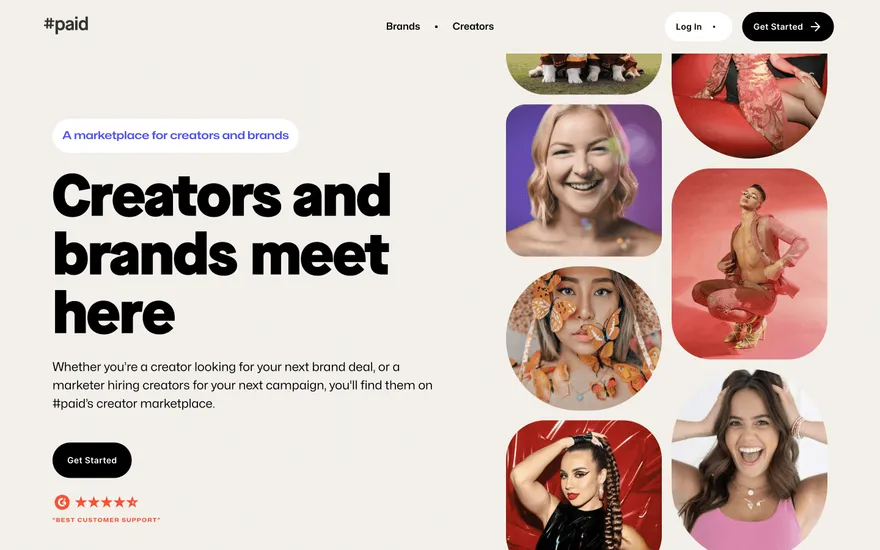
#paid Creator marketplace with social proof up front. Visit ↗
BYOB New inbox in every project
Most generated apps need somewhere to keep data. BYOB DB is the built-in managed database: a SQLite store on Cloudflare D1 that your project can use without you provisioning a server or handling database tokens.
Runs on the stack you trust
Prompt to product
Compare the one-line brief with what BYOB ships. Real layout, data, and deploy status, editable from the same workspace.
Team Tasks
Shared task tracking
Drag the handle. Or focus it and use the arrow keys.
Get inspired
Real sites that do it well. Build something like this with BYOB.
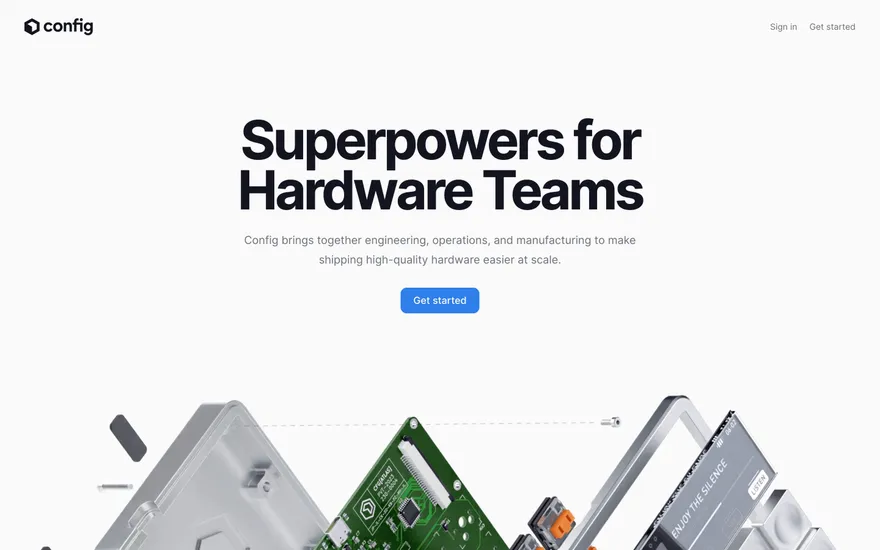
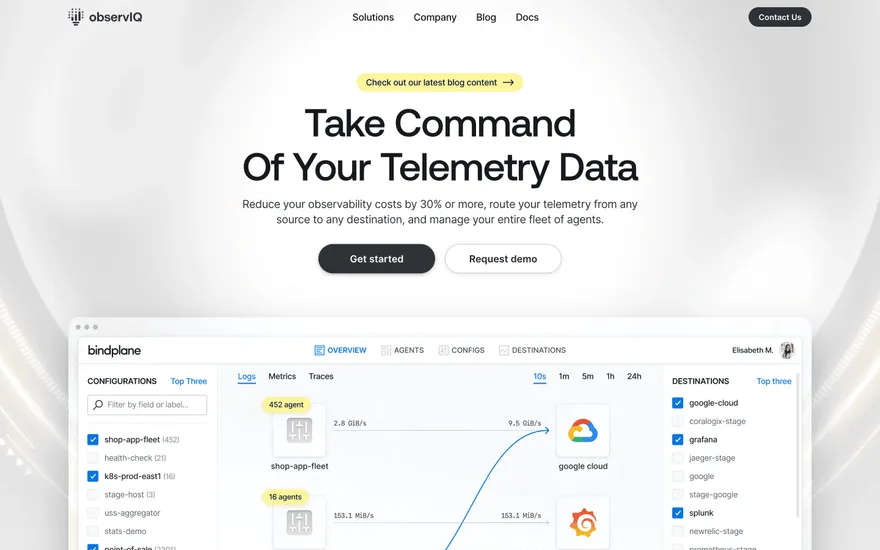
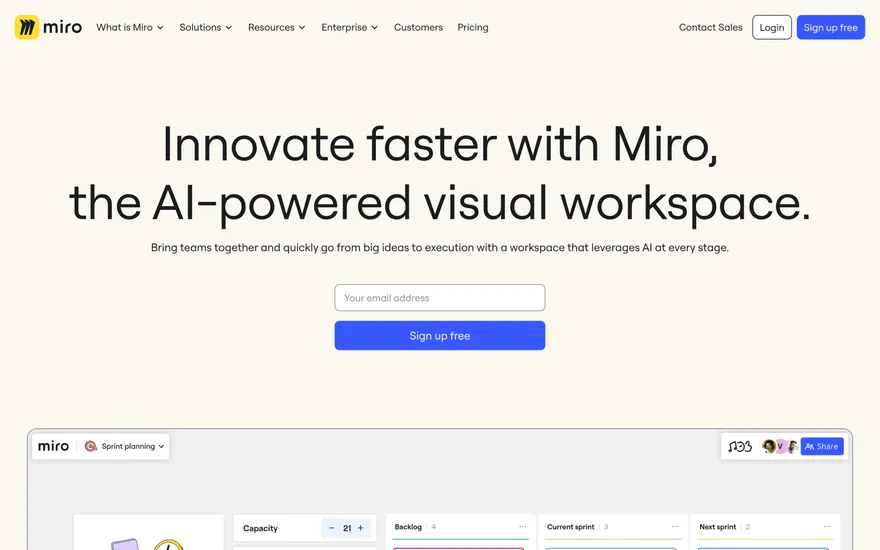

Fresh from the community
See what builders ship, or start from an example.
Live workspace
The workspace is built for repeated product work, not disposable demos. Every generated file stays inspectable, every change is visible, and every follow-up can target the exact part of the app you care about.
01 · EDITOR
Every file BYOB writes stays visible and editable. Follow-ups target the exact lines you care about instead of regenerating from scratch.
<script lang='ts'>type Task = { id: string; title: string; done: boolean
}let tasks = $state<Task[]>([])function toggleTask(id: string) {task.done = !task.done // just added by BYOB}</script>02 · AI COMMAND
Describe the outcome once. BYOB turns it into a build plan, implements it step by step, and keeps every change visible while you iterate.
Your prompt
“Build a todo app for beginners”
Build plan
80%03 · LIVE PREVIEW
The preview updates as BYOB works, with deploy status attached, so the path from edit to production stays inspectable.
Team Tasks
Shared task tracking
Prompt to app
Start conversationally, approve the shape, let Tool Mode implement, then refine and deploy from the same workspace.
Agent and backend
Connect Codex, Claude Code, or Antigravity to your project, then store data and ship to production without leaving the workspace.
npx -y byob-cli codex installApprove only the projects your agent can touch, then read context, edit files, inspect diffs, test previews, and roll back from your terminal.
Rated 4.9/5 by developers and founders using BYOB to move from idea to shipped product.
Built for shipping
BYOB handles product planning, implementation, preview, testing, database work, and deployment from one focused interface, with coding-agent access and production analytics when you want to keep working from your own terminal.
This part is hands-on. The cards drift until you touch them. Drag to rearrange, or press and hold one to feel it push back.
Give Codex, Claude Code, or Antigravity scoped access through BYOB CLI or Agent MCP. Your agent reads context, edits code, tests previews, and deploys from your terminal.
Every change lands as a commit. Inspect history, compare diffs, and see exactly what changed since the last deploy.
Every project ships with an inbox. Collect messages, leads, and feedback from your app without wiring a third party.
Send magic links, OTP codes, and transactional mail from your own sender address. Resend-backed, no SMTP setup.
Offer Continue with Google plus passwordless email codes. Sessions and callbacks are handled.
Point your domain at BYOB with guided DNS checks. Certificates are automatic.
Click any element in the live preview and describe the change. Copy, spacing, color, behavior.
Run full-site or feature checks and get implementation-level feedback you can apply in one step.
Step between saved states or redeploy a known commit when an experiment goes sideways.
Builds publish to production hosting in one step. Deploys can auto-save the project state first.
Worker traffic, errors, CPU timing, subrequests, and custom-domain status from the workspace.
Connect Supabase and BYOB reads schemas, drafts migrations, and generates types that match your app.
Invite people in and keep sessions coordinated so work never overwrites work.
Simple pricing
Pay as you go when you are exploring. Move to Pro or Max when BYOB becomes part of your regular build workflow.
$1 = 100 credits
2,000+ credits/mo
8,000+ credits/mo
Live estimator
Try the cost calculator. Drag the pages slider, toggle the options, and watch the agency quote vs BYOB update instantly.
Open full cost calculator →$5,750 upfront
~$1,150 / year
~$45 in credits
BYOB builds the same site from one prompt and hosts it on the edge. Planning estimates, not quotes.
See BYOB plansNeed white-label and SSO? Talk to us →
BYOB DB is a managed SQLite database powered by Cloudflare D1 that ships with your BYOB project. It includes a schema viewer, a data browser, read-only SQL inspection and file-based migrations, and the AI reads your schema to generate matching forms and queries.
BYOB DB is provisioned through the workspace rather than a separate dashboard. Setup creates or reuses the underlying D1 database and the proxy route that the app talks to, so you are not copying connection strings between consoles. The trade-off is honesty about wiring: the platform creates the database and route, but the generated app still needs its database helper, runtime bindings and managed environment keys in place. Once connected, your SvelteKit server routes read and write through that binding like any other D1 project.
You can inspect tables, columns and types from inside the workspace instead of dropping into a SQL console. A data browser lets you look at records and make careful manual edits, which is useful for verifying seed data or correcting a stray row during development. The same schema metadata is available to the agent, so when you ask for a settings screen or a list view it can align fields, types and relationships with what actually exists rather than inventing a shape.
Ad-hoc SQL is possible but deliberately constrained. Read queries allow SELECT, PRAGMA, EXPLAIN, DESCRIBE and SHOW, which covers inspection, query planning and debugging without opening a path to accidental writes. Mutations go through migrations instead, where they are reviewed and recorded. This keeps an AI agent from truncating a table while answering a question, and it keeps schema changes reproducible rather than living only in someone's terminal history.
Schema changes live as SQL files in the project. You write the migration, then apply it from a raw statement or from the file in the container, so the change is versioned alongside the code that depends on it. Applied migrations become part of the project's Git history, which means a new environment or a teammate can understand how the schema arrived at its current shape. It is a familiar workflow for developers who already run SQL migrations elsewhere, adapted so the builder can perform it safely.
BYOB DB suits the common case: relational app data that benefits from a zero-setup SQLite store close to the edge. Choose Supabase when you specifically need your own data source, advanced row-level security or an existing your own data source schema. One boundary is worth stating plainly: BYOB DB holds relational records, not binary objects. Images, documents and media belong in object storage, and the generated app should reference those files rather than storing their bytes in a table.
Because the engine is SQLite on D1, it inherits that model's characteristics rather than behaving like a dedicated your own data source cluster. You do not get stored procedures or the full breadth of a database administration suite, and very large or highly concurrent write workloads are not the target. Query and result sizes are capped for safety. For most generated tools - directories, trackers, internal dashboards, member lists - these limits are comfortably out of the way, but they are real and worth knowing before you design around them.
FAQ
It is BYOB's managed database: a SQLite store running on Cloudflare D1, provisioned for your project with a schema viewer, data browser and migration workflow.
No. BYOB manages the D1 database and proxy route for you, and agent tools operate on it without exposing database tokens.
No. BYOB DB is SQLite on Cloudflare D1; if you need your own data source, connect Supabase instead.
Yes, but reads only: SELECT, PRAGMA, EXPLAIN, DESCRIBE and SHOW are allowed, while writes go through migrations.
Yes. It reads schema metadata so generated forms, lists and queries match your real data structure.
No. It is for relational data; store binary files in object storage and keep references in the database.
Start with one clear prompt. BYOB will help turn it into a product you can inspect, edit, test, and ship.
 npm