


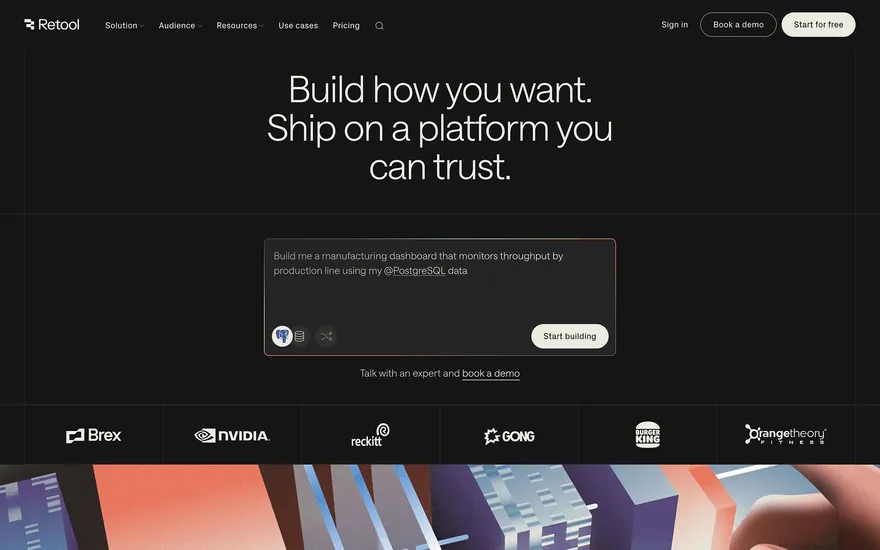
Retool Retool is a SaaS-based software that helps businesses in multiple sectors assemble lists, charts, tables, maps and other UI libraries to build and maintain internal tools. Visit ↗
BYOB New inbox in every project
A website is not finished when it goes live. Links rot, dependencies age and content drifts out of date. Maintenance services exist to handle that steady work, and this page explains what they cover, how they are priced and how an editable project changes the equation.
Runs on the stack you trust
Prompt to product
Compare the one-line brief with what BYOB ships. Real layout, data, and deploy status, editable from the same workspace.
Team Tasks
Shared task tracking
Drag the handle. Or focus it and use the arrow keys.
Get inspired
Real sites that do it well. Build something like this with BYOB.

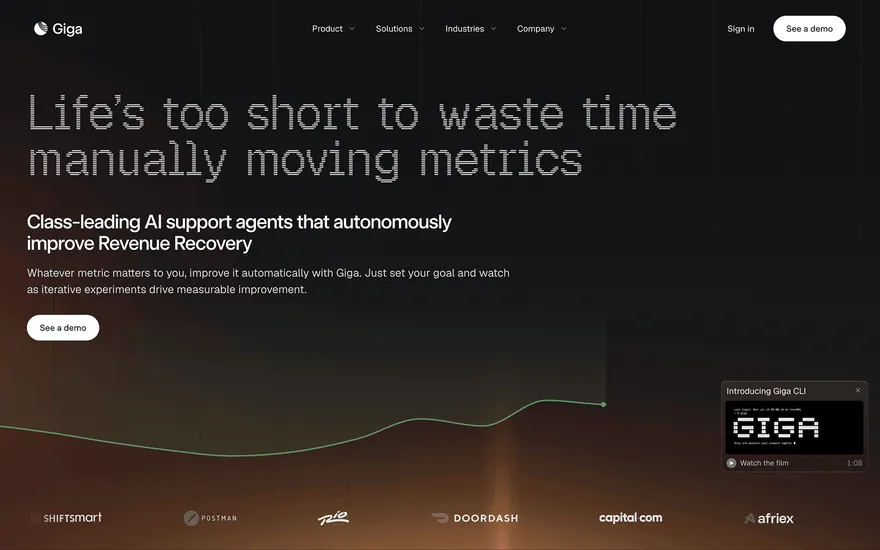
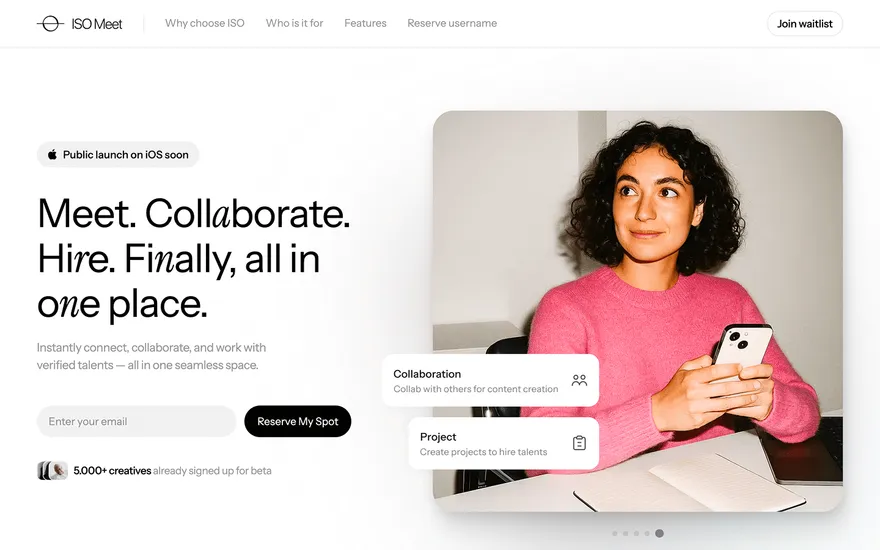
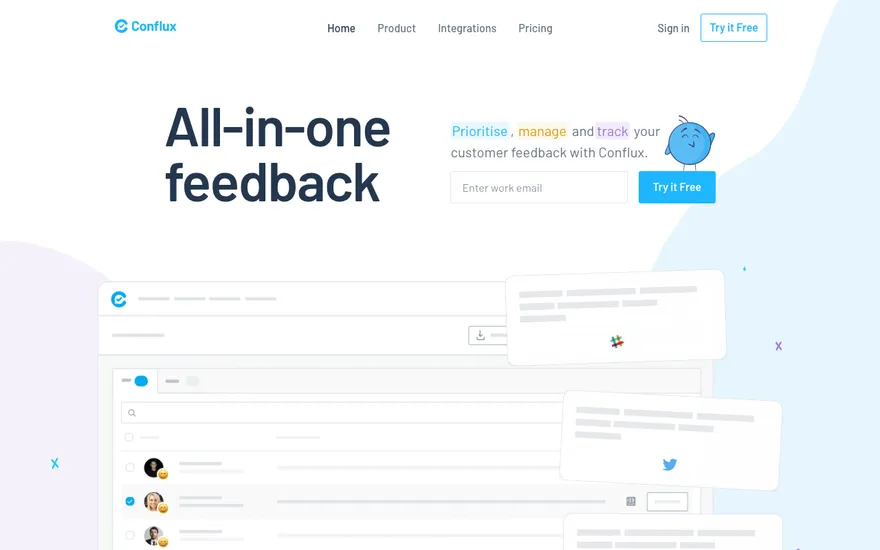
Fresh from the community
See what builders ship, or start from an example.
Live workspace
The workspace is built for repeated product work, not disposable demos. Every generated file stays inspectable, every change is visible, and every follow-up can target the exact part of the app you care about.
01 · EDITOR
Every file BYOB writes stays visible and editable. Follow-ups target the exact lines you care about instead of regenerating from scratch.
<script lang='ts'>type Task = { id: string; title: string; done: boolean
}let tasks = $state<Task[]>([])function toggleTask(id: string) {task.done = !task.done // just added by BYOB}</script>02 · AI COMMAND
Describe the outcome once. BYOB turns it into a build plan, implements it step by step, and keeps every change visible while you iterate.
Your prompt
“Build a todo app for beginners”
Build plan
80%03 · LIVE PREVIEW
The preview updates as BYOB works, with deploy status attached, so the path from edit to production stays inspectable.
Team Tasks
Shared task tracking
Prompt to app
Start conversationally, approve the shape, let Tool Mode implement, then refine and deploy from the same workspace.
Agent and backend
Connect Codex, Claude Code, or Antigravity to your project, then store data and ship to production without leaving the workspace.
npx -y byob-cli codex installApprove only the projects your agent can touch, then read context, edit files, inspect diffs, test previews, and roll back from your terminal.
Rated 4.9/5 by developers and founders using BYOB to move from idea to shipped product.
Built for shipping
BYOB handles product planning, implementation, preview, testing, database work, and deployment from one focused interface, with coding-agent access and production analytics when you want to keep working from your own terminal.
This part is hands-on. The cards drift until you touch them. Drag to rearrange, or press and hold one to feel it push back.
Give Codex, Claude Code, or Antigravity scoped access through BYOB CLI or Agent MCP. Your agent reads context, edits code, tests previews, and deploys from your terminal.
Every change lands as a commit. Inspect history, compare diffs, and see exactly what changed since the last deploy.
Every project ships with an inbox. Collect messages, leads, and feedback from your app without wiring a third party.
Send magic links, OTP codes, and transactional mail from your own sender address. Resend-backed, no SMTP setup.
Offer Continue with Google plus passwordless email codes. Sessions and callbacks are handled.
Point your domain at BYOB with guided DNS checks. Certificates are automatic.
Click any element in the live preview and describe the change. Copy, spacing, color, behavior.
Run full-site or feature checks and get implementation-level feedback you can apply in one step.
Step between saved states or redeploy a known commit when an experiment goes sideways.
Builds publish to production hosting in one step. Deploys can auto-save the project state first.
Worker traffic, errors, CPU timing, subrequests, and custom-domain status from the workspace.
Run recurring jobs on a managed cron scheduler. BYOB provisions the secret, injects a gated /api/cron route, and triggers it on your cadence.
Connect Supabase and BYOB reads schemas, drafts migrations, and generates types that match your app.
Invite people in and keep sessions coordinated so work never overwrites work.
Simple pricing
Pay as you go when you are exploring. Move to Pro or Max when BYOB becomes part of your regular build workflow.
$1 = 100 credits
2,000+ credits/mo
8,000+ credits/mo
Live estimator
Try the cost calculator. Drag the pages slider, toggle the options, and watch the agency quote vs BYOB update instantly.
Open full cost calculator →$5,750 upfront
~$1,150 / year
~$45 in credits
BYOB builds the same site from one prompt and hosts it on the edge. Planning estimates, not quotes.
See BYOB plansNeed white-label and SSO? Talk to us →
Website maintenance services handle the ongoing work a live site needs: content edits, security patches, dependency updates, backups, monitoring and small fixes. They are usually sold as monthly retainers or hourly blocks. On an editable BYOB project, routine changes are faster because the site is a real codebase you can update directly.
How BYOB Studio compares against traditional no-code platforms and raw manual coding for this exact workflow.
| Metric / Feature | BYOB Studio | Traditional No-Code (Bubble/Webflow) | Manual Coding (Scratch) |
|---|---|---|---|
| Speed to Working Version | Seconds (from single prompt) | Days to weeks (visual node wiring) | Weeks to months (boilerplate setup) |
| Code Ownership & Export | 100% full clean SvelteKit export | 0% export (locked into closed platform) | 100% code ownership |
| Data & Backend Setup | Built-in D1 / Supabase with typed schema | Proprietary database with query limits | Manual database setup, ORM, migrations |
| Maintenance & Changes | Chat refinement + AI automated testing | Complex visual workflow debugging | Manual refactoring and regression testing |
Ongoing maintenance usually includes content edits, plugin or dependency updates, security patching, backups, uptime monitoring and small bug fixes. On a more involved plan it may add performance tuning, accessibility fixes and regular reporting. What separates a good service from a thin one is whether it documents what it changed and keeps a staging copy, so a risky update can be tested before it reaches visitors.
Providers price maintenance in three common ways: a monthly retainer for a set amount of work, a prepaid block of hours, or ad-hoc billing per request. Retainers suit sites with continuous change, while hourly blocks work for occasional edits. Ask what happens to unused hours and what the response time is for urgent issues, because those terms matter more than the headline rate.
These are the non-negotiables. Confirm who patches vulnerable dependencies, how often backups run and where they are stored, and what monitoring alerts someone when the site goes down. A backup you have never restored is only a hope; ask when a restoration was last tested. On a modern stack such as, dependency updates and framework patches are the recurring tasks to plan for.
It helps to draw a line between upkeep and building. Changing opening hours or swapping a banner is maintenance. Adding login, data storage or a booking workflow is new development with its own scope and budget. Providers that charge development work at maintenance rates either lose money or cut corners, so agree on which bucket each request falls into before work starts.
Insist on owning your domain, publishing account and repository, even if someone else manages them. A healthy arrangement gives you at least one administrator who is not the provider, a staging environment to preview changes and a documented handover if the relationship ends. Ask for credentials in a shared password manager rather than an inbox, and confirm that DNS records can be transferred without a support ticket. Locking yourself out of your own site is the most expensive maintenance problem there is.
When the site is a real codebase rather than a closed builder, routine edits are faster and faster. In BYOB you can describe a change in plain language and apply it through the AI editor or the source, then roll back a version if it goes wrong. That reduces the number of billable hours a third party needs, though security patching and monitoring remain worth keeping. Pair a small retainer with direct editing access for the best balance.
FAQ
Pricing varies widely by scope and responsiveness. Monthly retainers, hourly blocks and per-request billing are all common, so compare terms as well as rates.
Yes, especially if it is an editable project. Many owners handle content changes themselves and keep a provider for security and monitoring.
No. Hosting keeps the site online; maintenance keeps it secure, current and working as intended.
Confirm backup and restore practices, response times, who owns the domain and repository, and how unused hours are treated.
BYOB keeps the project editable and versioned so routine changes are straightforward; security and monitoring remain separate concerns.
Start with one clear prompt. BYOB will help turn it into a product you can inspect, edit, test, and ship.
 npm